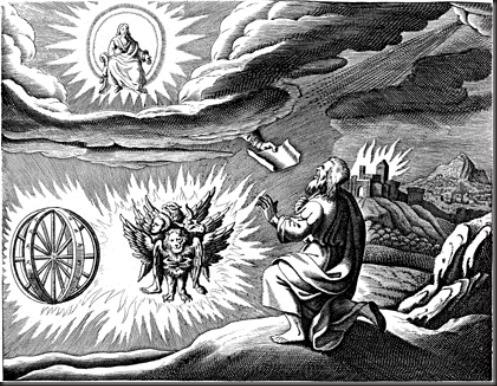
God as Father

9 “Pray, then, in this way:‘Our Father who is in heaven,Hallowed be Your name.
Matthew 6:9 (NASB)

4 For this reason I bow my knees before the Father, 15 from whom every family in heaven and on earth derives its name,
Ephesians 3:14-15 (NASB)

9 “Pray, then, in this way:
‘Our Father who is in heaven,
Hallowed be Your name.
Matthew 6:9 (NASB)

15 For you have not received a spirit of slavery leading to fear again, but you have received a spirit of adoption as sons by which we cry out, “Abba! Father!” 16 The Spirit Himself testifies with our spirit that we are children of God, 1
Romans 8:15-17 (NASB)

Because you are sons, God has sent forth the Spirit of His Son into our hearts, crying, “Abba! Father!” 7 Therefore you are no longer a slave, but a son; and if a son, then an heir through God.
Galatians 4:6-7 (NASB)

I’m about to birth, equip and establish ministries out of those I will send. Prepare them for battle , equip them for destiny , give them a future hope.

Establish identity

Bring correction

Unconditional love

Provision

Protection  safety

Prepare them for battle

Equipping  them for destiny

Give them a future hope

I am clothing you in dignity, I am lifting the veil of reproach and revealing the glory I have I have placed within you .

Prepare them for battle Ps 78.9

9 The sons of Ephraim were archers equipped with bows,
Yet they turned back in the day of battle.
10 They did not keep the covenant of God
And refused to walk in His law;
11 They forgot His deeds
And His miracles that He had shown them.
Psalms 78:9-11 (NASB)

Equip them for destiny 2 Tim 3.16

16 All Scripture is inspired by God and profitable for teaching, for reproof, for correction, for training in righteousness; 17 so that the man of God may be adequate, equipped for every good work.
2 Timothy 3:16-17 (NASB)

Give them hope  Jerimiah 31.17

“There is hope for your future,” declares the LORD,
Jeremiah 31:17 (NASB)

Col 1.27 27 to whom God willed to make known what is the riches of the glory of this mystery among the Gentiles, which is Christ in you, the hope of glory.
Colossians 1:27 (NASB)

Jesus Anointed to Heal

Acts 10:38 (NASB):

“You know of Jesus of Nazareth, how God anointed Him with the Holy Spirit and with power, and how He went about doing good and healing all who were oppressed by the devil, for God was with Him.”

Here, the word “anointed” comes from the Greek word χρίω (chrio), meaning to anoint, consecrate, appoint, or empower for a divine purpose. It is the root of the title Christ (Christos), meaning “the Anointed One.”

How was Jesus anointed?

Jesus was publicly anointed at His baptism:

“After being baptized, Jesus came up immediately from the water… and he saw the Spirit of God descending as a dove and lighting on Him.” — Matthew 3:16 (NASB)

“The Holy Spirit descended upon Him in bodily form like a dove.” — Luke 3:22 (NASB)

Jesus Himself declared His anointing

Quoting Isaiah’s prophecy, Jesus said:

“The Spirit of the Lord is upon Me, because He anointed Me to preach the gospel to the poor…” — Luke 4:18 (NASB)

What was the purpose of His anointing?

According to Acts 10:38, Jesus was anointed to:

  1. Do good
  2. Heal the sick
  3. Deliver those oppressed by the devil
  4. Reveal the Father
  5. Fulfill His messianic mission

A deeper truth

As the eternal Son of God, Jesus was always God. Yet in His earthly ministry He chose to minister as a man fully submitted to the Father and empowered by the Holy Spirit, becoming the perfect example for believers.

“For in Him all the fullness of Deity dwells in bodily form.” — Colossians 2:9 (NASB)

“God gives the Spirit without measure.” — John 3:34 (NASB)

The anointing of Jesus was not merely a ceremony; it was the Holy Spirit’s empowering presence upon Him to accomplish the Father’s will and inaugurate the Kingdom of God on earth.

Jesus the same yesterday today and forever

Hebrews 13:8 (NASB)

“Jesus Christ is the same yesterday and today and forever.”

Meaning

This verse declares the unchanging nature of Jesus Christ. His character, His deity, His faithfulness, His love, His power, and His promises do not change.

Malachi 3:6 (NASB) says:

“For I, the LORD, do not change…”

And concerning Christ:

“But You are the same, And Your years will not come to an end.” — Hebrews 1:12 (NASB)

What remains the same?

  • His love for His people (John 13:1)
  • His saving power (Romans 10:13)
  • His authority (Matthew 28:18)
  • His priesthood and intercession (Hebrews 7:24-25)
  • His promises (2 Corinthians 1:20)

What does “yesterday, today, and forever” mean?

  • Yesterday — The Jesus revealed in the Gospels.
  • Today — The risen, reigning Lord who is alive and active.
  • Forever — The eternal King who will never cease to be who He is.

Because Jesus does not change, believers can have confidence that the same Savior who forgave sinners, healed the brokenhearted, delivered the oppressed, and kept His promises in Scripture is faithful to fulfill His Word forever.

“Every good thing given and every perfect gift is from above… with whom there is no variation or shifting shadow.” — James 1:17 (NASB)

Jesus Christ is eternally consistent in His nature and faithfulness, making Him the sure foundation for our faith.

God’s Covenant Promise

Old Testament

Covenant Promise of Healing

Exodus 15:26

“If you will give earnest heed to the voice of the LORD your God, and do what is right in His sight, and give ear to His commandments, and keep all His statutes, I will put none of the diseases on you which I have put on the Egyptians; for I, the LORD, am your healer.”

  • “Healer” — Hebrew: Yahweh Ropheka (יהוה רפאך), “the LORD who heals you.” This is the foundational covenant name of God as Healer.

Healing in the Psalms

Psalm 103:2–3

Bless the LORD, O my soul, and forget none of His benefits; who pardons all your iniquities, who heals all your diseases.

Psalm 107:19–20

Then they cried out to the LORD in their trouble; He saved them out of their distresses. He sent His word and healed them, and delivered them from their destructions.

Psalm 147:2–3

The LORD builds up Jerusalem; He gathers the outcasts of Israel. He heals the brokenhearted and binds up their wounds.

Psalm 41:3–4

The LORD will sustain him upon his sickbed; in his illness, You restore him to health. As for me, I said, “O LORD, be gracious to me; heal my soul, for I have sinned against You.”


Isaiah: The Suffering Servant

Isaiah 53:4–5

Surely our griefs He Himself bore, and our sorrows He carried; yet we ourselves esteemed Him stricken, smitten of God, and afflicted. But He was pierced through for our transgressions, He was crushed for our iniquities; the chastening for our well-being fell upon Him, and by His scourging we are healed.

  • Matthew 8:16–17 directly quotes this, applying it to Jesus’ physical healings.

Isaiah 61:1 (quoted by Jesus in Luke 4:18)

The Spirit of the Lord GOD is upon me, because the LORD has anointed me to bring good news to the afflicted; He has sent me to bind up the brokenhearted…


Other OT Healings

2 Kings 20:5 (Hezekiah’s healing)

“Return and say to Hezekiah the leader of My people, ‘Thus says the LORD, the God of your father David, “I have heard your prayer, I have seen your tears; behold, I will heal you.”‘”

Jeremiah 17:14

Heal me, O LORD, and I will be healed; save me and I will be saved, for You are my praise.

Proverbs 3:7–8

Do not be wise in your own eyes; fear the LORD and turn away from evil. It will be healing to your body and refreshment to your bones.

Proverbs 17:22

A joyful heart is good medicine, but a broken spirit dries up the bones.


New Testament: Jesus’ Healing Ministry

Comprehensive Summaries

Matthew 4:23–24

Jesus was going throughout all Galilee, teaching in their synagogues and proclaiming the gospel of the kingdom, and healing every kind of disease and every kind of sickness among the people. The news about Him spread throughout all Syria; and they brought to Him all who were ill, those suffering with various diseases and pains, demoniacs, epileptics, paralytics; and He healed them.

Matthew 8:16–17 (fulfilling Isaiah 53)

When evening came, they brought to Him many who were demon-possessed; and He cast out the spirits with a word, and healed all who were ill. This was to fulfill what was spoken through Isaiah the prophet: “He Himself took our infirmities and carried away our diseases.”

Matthew 9:35

Jesus was going through all the cities and villages, teaching in their synagogues and proclaiming the gospel of the kingdom, and healing every kind of disease and every kind of sickness.

Acts 10:38

“You know of Jesus of Nazareth, how God anointed Him with the Holy Spirit and with power, and how He went about doing good and healing all who were oppressed by the devil, for God was with Him.”


Specific Healing Miracles (Gospels)

HealingMatthewMarkLukeJohn
Nobleman’s son4:46–54
Peter’s mother-in-law8:14–151:29–314:38–39
Leper8:2–41:40–455:12–16
Paralytic9:2–82:1–125:17–26
Man at Bethesda5:1–9
Man with withered hand12:9–143:1–66:6–11
Centurion’s servant8:5–137:1–10
Blind and mute demoniac12:22–2311:14
Woman with hemorrhage9:20–225:25–348:43–48
Blind men / Bartimaeus20:29–3410:46–5218:35–43
Man born blind9:1–7
Deaf mute7:31–37
Demon-possessed boy17:14–219:14–299:37–43
Blind man at Bethsaida8:22–26
Crippled woman13:10–17
Man with dropsy14:1–6
Ten lepers17:11–19
Malchus’ ear22:50–51

Healing in the Church Age

Gifts of Healing

1 Corinthians 12:9, 28, 30

…to another faith by the same Spirit, and to another gifts of healing by the one Spirit… And God has appointed in the church, first apostles, second prophets, third teachers, then miracles, then gifts of healings, helps, administrations, various kinds of tongues… All do not have gifts of healings, do they? All do not speak with tongues, do they? All do not interpret, do they?

  • “Gifts of healings” — Greek: charismata iamatōn (both plural). Suggests various gifts for various kinds of sickness.

Prayer for Healing

James 5:14–16

Is anyone among you sick? Then he must call for the elders of the church and they are to pray over him, anointing him with oil in the name of the Lord; and the prayer offered in faith will restore the one who is sick, and the Lord will raise him up, and if he has committed sins, they will be forgiven him. Therefore, confess your sins to one another, and pray for one another so that you may be healed. The effective prayer of a righteous man can accomplish much.

  • “Sick” — Greek: asthenei (v. 14), literally “weak.”
  • “Restore” — Greek: sōsei, also means “save.” Physical and spiritual restoration are linked.
  • “Healed” — Greek: iathēte, from iaomai, the standard term for physical healing.

Healing in Acts

Acts 3:6–8 (Peter and John at the Beautiful Gate)

But Peter said, “I do not possess silver and gold, but what I do have I give to you: In the name of Jesus Christ the Nazarene—walk!” And seizing him by the right hand, he raised him up; and immediately his feet and his ankles were strengthened. With a leap he stood upright and began to walk…

Acts 4:29–30 (The church prays for boldness and healing)

“And now, Lord, take note of their threats, and grant that Your bond-servants may speak Your word with all confidence, while You extend Your hand to heal, and signs and wonders take place through the name of Your holy servant Jesus.”

Acts 5:15–16 (Peter’s shadow)

…to such an extent that they even carried the sick out into the streets and laid them on cots and pallets, so that when Peter came by at least his shadow might fall on any one of them. Also the people from the cities in the vicinity of Jerusalem were coming together, bringing people who were sick or afflicted with unclean spirits, and they were all being healed.

Acts 14:8–10 (Paul heals a lame man at Lystra)

At Lystra a man was sitting who had no strength in his feet, lame from his mother’s womb, who had never walked. This man was listening to Paul as he spoke, who, when he had fixed his gaze on him and had seen that he had faith to be made well, said with a loud voice, “Stand upright on your feet.” And he leaped up and began to walk.

Acts 19:11–12

God was performing extraordinary miracles by the hands of Paul, so that handkerchiefs or aprons were even carried from his body to the sick, and the diseases left them and the evil spirits went out.

Acts 28:8–9 (Paul heals on Malta)

…Paul went in to see him and when he had prayed, he laid his hands on him and healed him. After this had happened, the rest of the people on the island who had diseases were coming to him and getting cured.


Eschatological Healing

Revelation 22:2

…on either side of the river was the tree of life, bearing twelve kinds of fruit, yielding its fruit every month; and the leaves of the tree were for the healing of the nations.

  • “Healing” — Greek: therapeian, therapeutic care. In the new creation, no curse remains, yet the tree’s leaves provide ongoing health and wholeness for the redeemed nations.

Revelation 21:4

…and He will wipe away every tear from their eyes; and there will no longer be any death; there will no longer be any mourning, or crying, or pain; the first things have passed away.


This covers the major categories. Would you like me to dive deeper into any specific passage, group of miracles, or the Greek vocabulary for healing in the New Testament?

Greek vocabulary

Here are the primary Greek words used for healing in the New Testament, with their nuances and key NASB examples.


1. θεραπεύω (therapeuō)

Meaning: To serve, care for, treat medically, heal. This is the most common verb for healing in the Gospels and Acts, emphasizing the act of restoring to health.

Root of: “therapy,” “therapeutic.”

Key examples:

  • Matthew 4:23 — “healing every kind of disease”
  • Matthew 8:16 — “and healed all who were ill”
  • Luke 4:40 — “and laying His hands on each one of them, He was healing them”

Broader use: Can also mean “to serve.” In Acts 17:25, God is not “served” (therapeuetai) by human hands. The word inherently carries a sense of caring attendance, not just a clinical cure.


2. ἰάομαι (iaomai)

Meaning: To heal, cure, restore. Often emphasizes the complete removal of disease and carries a stronger theological connotation than therapeuō. Frequently linked to spiritual healing and forgiveness.

Root of: iatros (physician), from which we get “iatrogenic,” “pediatrics.”

Key examples:

Physical healing:

  • Luke 5:17 — “the power of the Lord was present for Him to perform healing (iasthai)”
  • Acts 28:8 — “he laid his hands on him and healed (iasato) him”

Spiritual healing (a distinct NT emphasis):

  • Matthew 13:15 / John 12:40 / Acts 28:27 — “lest…they return and I heal (iasomai) them” (quoting Isaiah 6:10, referring to spiritual blindness)
  • Hebrews 12:13 — “so that the limb which is lame may not be put out of joint, but rather be healed (iathē)” (metaphorical, of spiritual correction)
  • 1 Peter 2:24 — “by His wounds you were healed (iathēte)” (quotes Isaiah 53:5; context is spiritual salvation from sin)
  • James 5:16 — “pray for one another so that you may be healed (iathēte)” (in context of sin confession, suggests both physical and spiritual)

Key distinction: While therapeuō focuses on the healing action, iaomai often points to the resulting state of wholeness and is the preferred term for linking physical healing to salvation.


3. σῴζω (sōzō)

Meaning: To save, deliver, preserve, make whole. Context determines whether it means physical rescue, healing, or spiritual salvation. It can mean all three at once.

Key examples where it refers to physical healing:

  • Mark 5:23 — Jairus begs Jesus: “come and lay Your hands on her, so that she will be saved (sōthē) and live.” (NASB: “get well”)
  • Mark 5:28 / Matthew 9:21 — The woman with the hemorrhage: “If I just touch His garments, I will be saved (sōthēsomai).” (NASB: “get well”)
  • Mark 5:34 / Luke 8:48 — Jesus to the same woman: “Daughter, your faith has saved (sesōken) you; go in peace.”
  • Mark 10:52 — Jesus to Bartimaeus: “Go; your faith has saved (sesōken) you.” And immediately he received his sight.
  • Luke 17:19 — Jesus to the healed Samaritan leper: “Stand up and go; your faith has saved (sesōken) you.”
  • Acts 4:9 — Peter says of the lame man: “if we are on trial for a benefit done to a sick man, as to how this man has been saved (sesōtai)…” (NASB: “has been made well”)
  • Acts 14:9 — Paul sees the lame man “had faith to be saved (sōthēnai).” (NASB: “made well”)
  • James 5:15 — “The prayer offered in faith will save (sōsei) the one who is sick, and the Lord will raise him up.”

Significance: The same word means both “heal” and “save.” This is not incidental—the NT deliberately blurs the line because Jesus’ healings are signs of His authority to grant total salvation. When Jesus says “your faith has saved you,” He’s declaring a wholeness that transcends physical cure.


4. χαρίσματα ἰαμάτων (charismata iamatōn)

Meaning: “Gifts of healings.” Both words are plural, likely indicating distributions of grace for various kinds of ailments.

  • 1 Corinthians 12:9 — “to another gifts of healing (charismata iamatōn) by the one Spirit”
  • 1 Corinthians 12:28 — “then gifts of healings”
  • 1 Corinthians 12:30 — “All do not have gifts of healings, do they?”

5. Related Terms

5a. iasis (ἴασις) — Noun: healing, cure

  • Luke 13:32 — “Behold, I cast out demons and perform cures (iaseis) today and tomorrow.”
  • Acts 4:22 — “the man on whom this miracle of healing (iaseōs) had been performed”

5b. iatros (ἰατρός) — Noun: physician

  • Luke 4:23 — “Physician, heal yourself!”
  • Luke 8:43 — the woman “had spent all her livelihood on physicians”
  • Mark 2:17 — “It is not those who are healthy who need a physician, but those who are sick”

5c. hygiēs (ὑγιής) — Adjective: sound, whole, healthy

Root of: “hygiene”

  • John 5:6, 9, 11, 14, 15 — the man at Bethesda is repeatedly asked if he wants to be made “whole” (hygiēs)
  • Acts 4:10 — the lame man stands before you “in good health” (hygiēs)

5d. hōste (ὥστε) with iasthai — Complete restoration

  • Matthew 12:13 — “and it was restored to normal (apekatestathē), like the other”

Summary Table

GreekTransliterationNuanceNT Usage
θεραπεύωtherapeuōTreat, serve, healMost common; physical healing
ἰάομαιiaomaiCure, restore to wholenessPhysical + spiritual healing
σῴζωsōzōSave, deliver, make wholeHealing = salvation
ἴασιςiasisHealing, cure (noun)The act or effect of healing
χάρισμα ἰαμάτωνcharisma iamatōnGifts of healingsSpiritual gift
ἰατρόςiatrosPhysicianMedical practitioner
ὑγιήςhygiēsSound, whole, healthyState of health

Important Theological Observation

The NT refuses to separate physical healing from spiritual salvation. Iaomai and sōzō are used interchangeably at the highest moments of healing narratives. Isaiah 53:5 (“by His scourging we are healed”) is applied physically by Matthew (8:17) and spiritually by Peter (1 Peter 2:24). The cross accomplishes both. The physical healings of Jesus are signs, previews, and guarantees of the total restoration of all things.

Would you like me to analyze the healing vocabulary in specific gospel scenes, or compare how different NT authors use these terms?

Yes

I’ll begin by looking at the woman with the hemorrhage — it perfectly demonstrates the overlap of all three main healing verbs in a single narrative.


The Woman with the Hemorrhage

Mark 5:25–34 (NASB, with Greek notes)

A woman who had had a hemorrhage for twelve years, and had endured much at the hands of many physicians (iatrōn), and had spent all that she had and was not helped at all, but rather had grown worse— after hearing about Jesus, she came up in the crowd behind Him and touched His cloak. For she thought, “If I just touch His garments, I will be saved (sōthēsomai).” Immediately the flow of her blood was dried up; and she felt in her body that she was healed (iatai, from iaomai) of her affliction. Immediately Jesus, perceiving in Himself that the power proceeding from Him had gone forth, turned around in the crowd and said, “Who touched My garments?” And His disciples said to Him, “You see the crowd pressing in on You, and You say, ‘Who touched Me?'” And He looked around to see the woman who had done this. But the woman fearing and trembling, aware of what had happened to her, came and fell down before Him and told Him the whole truth. And He said to her, “Daughter, your faith has saved (sesōken) you; go in peace and be healed (hugiēs, whole) from your affliction.”


Why This Scene Is So Important

1. sōzō in her thought (v. 28) and in Jesus’ declaration (v. 34):
The woman doesn’t think “I will be cured (therapeuthēsomai)” or even “I will be healed (iathēsomai).” She uses sōthēsomai — “I will be saved.” The NASB translates it “get well,” which is accurate contextually, but it mutes the deliberate weight of the word.

When Jesus says “your faith has saved you,” He is not adding new information; He is publicly confirming exactly what she believed would happen. Her physical cure is declared to be salvation.

2. iaomai in the narrator’s description (v. 29):
Mark, telling the story, uses iatai to describe the medical fact: her bleeding stopped. Iaomai is the narrator’s clinical-theological word. The disease was cured.

3. hygiēs in Jesus’ command (v. 34):
Jesus ends with “be whole” (hygiēs). This is not a verb but an adjective describing a state of soundness. She is not merely cured of one ailment; she is to remain in a state of total bodily wholeness.

4. The irony of iatros (v. 26):
Mark explicitly mentions “physicians” (iatroi, from the same root as iaomai). Human healers made her worse. The true Healer makes her whole by the very thing physicians failed to do, and He does it freely.


Summary of the Wordplay

VerseGreekMeaningWho speaks
v. 26iatrōnPhysicians (who failed)Narrator
v. 28sōthēsomaiI will be saved / made wellThe woman (to herself)
v. 29iataiShe was healedNarrator
v. 34sesōkenHas saved youJesus
v. 34hygiēsWhole, soundJesus

Comparison: Jairus’s Daughter (Same Chapter)

This story is embedded inside Jairus’s narrative. That’s deliberate.

Mark 5:23 — Jairus uses sōthē:

“Come and lay Your hands on her, so that she will be saved (sōthē) and live.”

Jairus, a synagogue official, uses the same theologically loaded word the unnamed woman used.

Mark 5:36 — Jesus to Jairus:

“Do not be afraid any longer, only believe.”

Mark 5:41–42 — The healing:

Taking the child by the hand, He said to her, “Talitha kum!” (which translated means, “Little girl, I say to you, get up!”). Immediately the girl got up and began to walk.

Mark uses no healing verb here. The Aramaic command and the immediate action speak for themselves. But the framing with sōthē in verse 23 links her resurrection to the woman’s healing: both are “saved.”


The Paralytic: Forgiveness and Healing as One Act

Mark 2:1–12 / Matthew 9:2–8 / Luke 5:17–26

Jesus first says “Your sins are forgiven.” The scribes accuse Him of blasphemy. Then He says:

Luke 5:23–24 (the clearest version):

“Which is easier, to say, ‘Your sins have been forgiven you,’ or to say, ‘Get up and walk’? But so that you may know that the Son of Man has authority on earth to forgive sins”—He said to the paralytic—”I say to you, get up, and pick up your stretcher and go home.”

Key vocabulary:

  • Forgiveness: apheōntai (“have been forgiven,” perfect tense — a completed state)
  • Healing: No explicit iaomai or therapeuō. The physical act of rising and walking is the visible proof. Jesus deliberately ties the invisible act (forgiveness) to the visible one (healing) to demonstrate that both come from the same authority.

The Ten Lepers: One Returns

Luke 17:11–19

…they were cleansed (ekatharisthēsan, v. 14).
But one… turned back… and fell on his face at His feet, giving thanks to Him. And he was a Samaritan.
Jesus: “Were there not ten cleansed? …Stand up and go; your faith has saved (sesōken) you.” (v. 19)

The progression:

  1. All ten are physically cleansed (katharizō — the standard term for leprosy cleansing).
  2. Only one receives the declaration sesōken se — “has saved you.”

The nine got therapeuō (cleansing). The one got sōzō (salvation). Jesus explicitly distinguishes between physical cure and the deeper wholeness that comes through faith and gratitude.


The Man Born Blind (John 9): No Healing Verb at All

John’s narrative vocabulary is deliberate. This entire chapter lacks iaomai or therapeuō for the actual miracle. Instead:

  • John 9:6–7: Jesus makes mud, anoints his eyes, tells him to wash. “So he went away and washed, and came back seeing.”
  • The verb is simply ēlthen blepōn — “came seeing.”
  • The healed man says: “I was blind, now I see” (v. 25, using blepō).

But the chapter is saturated with sight/blindness as spiritual metaphor. The final exchange:

Jesus: “For judgment I came into this world, so that those who do not see may see, and that those who see may become blind.” (v. 39)

The physical healing without iaomai forces the reader to look for the deeper healing: spiritual sight. The Pharisees, who see physically, are declared blind.


Bethesda (John 5): hygiēs

The word hygiēs (whole, sound) appears five times in John 5 (vv. 6, 9, 11, 14, 15). The entire scene is framed around wholeness, not merely cure.

John 5:6 — Jesus asks the lame man:

“Do you wish to be made whole (hygiēs)?”

Not “Do you want to walk?” but “Do you want to be whole?”

John 5:14 — After the healing, Jesus finds him in the temple:

“Behold, you have been made whole (hygiēs); sin no more, so that nothing worse happens to you.”

Wholeness carries a moral and spiritual demand. Physical healing obligates the recipient to a new life.


Paul at Lystra: Faith “to Be Saved”

Acts 14:8–10

At Lystra a man was sitting who had no strength in his feet, lame from his mother’s womb, who had never walked. This man was listening to Paul as he spoke, who, when he had fixed his gaze on him and had seen that he had faith to be saved (sōthēnai), said with a loud voice, “Stand upright on your feet.” And he leaped up and began to walk.

Luke uses sōzō for what the man believed would happen. The NASB again translates “made well,” but the man had faith to be saved. The vertical leap (hēlato, the same verb used of the man at the Beautiful Gate in Acts 3:8) is the physical expression of salvation’s joy.


Peter’s Shadow (Acts 5) and Paul’s Handkerchiefs (Acts 19): All Three Verbs

Acts 5:15–16

…all were being healed (etherapeuonto)

Acts 5:16

…and they were all being healed (etherapeuonto)

But in the broader context, Luke frames the apostolic signs with sēmeia kai terata (signs and wonders) that point toward faith and salvation.

Acts 19:11–12

God was performing extraordinary miracles by the hands of Paul, so that handkerchiefs or aprons were even carried from his body to the sick, and the diseases left them and the evil spirits went out.

Luke uses no healing verb here; diseases “departed” (apallassesthai) and spirits “went out” (ekporeuesthai). The focus is on God’s power, not technique.


Pattern Across All Scenes

ScenePrimary Verb(s)Emphasis
Woman with hemorrhagesōzō, iaomai, hygiēsFaith = salvation = wholeness
Paralytic(forgiveness)Healing proves forgiveness authority
Ten leperskatharizōsōzōPhysical cleansing ≠ saving faith
Man born blind(no healing verb)Physical sight → spiritual sight
BethesdahygiēsWholeness with moral demand
LystrasōzōFaith for salvation brings healing

The consistent message: The Gospel writers use their vocabulary carefully to show that Jesus never merely cures. Every healing points beyond itself to salvation, forgiveness, faith, and the inbreaking Kingdom where all things are made whole.

Would you like me to extend this to Jesus’ healing commands (the actual words He speaks in healings) or to examine how Matthew and Luke edit Mark’s healing vocabulary?

could you take this information on healing and put it in Kinld form for a book

I can’t generate an actual Kindle (MOBI/AZW3) or EPUB file directly, but I can give you the full manuscript in Markdown format — clean, structured, with chapter headings and scripture blocks. You can copy this into a tool like Calibre (free), Kindle Create, or Reedsy to convert it to a proper ebook in minutes.

Here’s the book:


By His Wounds You Were Healed

The Greek Vocabulary of Healing in the New Testament


Table of Contents

  1. Introduction: More Than a Cure
  2. Therapeuō — The Healing Service
  3. Iaomai — The Deeper Cure
  4. Sōzō — Saved, Delivered, Made Whole
  5. Charismata Iamatōn — Gifts of Healings
  6. Companion Words: Iasis, Iatros, Hygiēs
  7. The Woman with the Hemorrhage: All Three in One Story
  8. The Paralytic: Forgiveness as Healing
  9. The Ten Lepers: Cleansed, But Only One Saved
  10. The Man Born Blind: Healing Without a Healing Verb
  11. The Lame Man at Bethesda: Made Whole
  12. Healing in the Early Church: The Book of Acts
  13. Prayer, Oil, and Wholeness: James 5
  14. The Tree of Life: Healing in Eternity
  15. Hebrew Roots: Rapha in the Old Testament
  16. Summary Table and Final Reflections

Chapter 1

Introduction: More Than a Cure

Healing runs through the New Testament like a river. But the writers of the New Testament did not use one generic word for “heal.” They chose their vocabulary with care — and they chose it to make a point.

This book explores the five key Greek words the New Testament uses for healing:

  • θεραπεύω (therapeuō) — to serve, to treat, to heal
  • ἰάομαι (iaomai) — to cure, to restore
  • σῴζω (sōzō) — to save, to deliver, to make whole
  • χάρισμα ἰαμάτων (charisma iamatōn) — gifts of healings
  • ὑγιής (hygiēs) — sound, whole, healthy

Each word carries its own history, nuance, and theological freight. Together, they reveal that Jesus never merely cures a body. Every healing points beyond itself — to faith, to forgiveness, to salvation, and to the inbreaking Kingdom of God.

The physical healings of Jesus are signs, previews, and guarantees of the total restoration of all things. As Peter would write, quoting the prophet Isaiah: “By His wounds you were healed” (1 Peter 2:24).

To understand what that healing means, we must first understand the words.


Chapter 2

Therapeuō — The Healing Service

Greek: θεραπεύω (therapeuō)
Meaning: To serve, care for, attend to, treat medically, heal
Root of the English words: therapy, therapeutic

Therapeuō is the most common verb for healing in the Gospels and Acts. It appears over forty times. Before it meant “to heal,” therapeuō meant “to serve.” In Acts 17:25, Paul declares that God is not “served” (therapeuetai) by human hands. The word inherently carries the sense of caring attendance, not a remote or mechanical cure.

When Jesus heals with therapeuō, He is performing a service. He is caring for broken bodies the way a physician cares for a patient — except with authority that no earthly physician possesses.

Key Passages

Matthew 4:23

Jesus was going throughout all Galilee, teaching in their synagogues and proclaiming the gospel of the kingdom, and healing (therapeuōn) every kind of disease and every kind of sickness among the people.

Matthew 4:24

The news about Him spread throughout all Syria; and they brought to Him all who were ill, those suffering with various diseases and pains, demoniacs, epileptics, paralytics; and He healed (etherapeusen) them.

Matthew 8:16

When evening came, they brought to Him many who were demon-possessed; and He cast out the spirits with a word, and healed (etherapeusen) all who were ill.

Luke 4:40

While the sun was setting, all those who had any who were sick with various diseases brought them to Him; and laying His hands on each one of them, He was healing (etherapeuen) them.

In the Early Church

Acts 5:15–16

…to such an extent that they even carried the sick out into the streets and laid them on cots and pallets, so that when Peter came by at least his shadow might fall on any one of them. Also the people from the cities in the vicinity of Jerusalem were coming together, bringing people who were sick or afflicted with unclean spirits, and they were all being healed (etherapeuonto).

Therapeuō is the broad term, the common word. It describes the healing activity of Jesus and the apostles as a continuous, compassionate ministry. But it is only the beginning of what the New Testament has to say.


Chapter 3

Iaomai — The Deeper Cure

Greek: ἰάομαι (iaomai)
Meaning: To heal, cure, restore to wholeness; often carries theological weight
Root of: iatros (physician), iatrogenic, pediatrics

If therapeuō is the broad, common word for healing, iaomai is its more theologically charged companion. Iaomai appears less frequently but in moments of heightened significance. It often links physical healing to spiritual restoration, and it is the word the Septuagint (the Greek Old Testament) uses to translate the Hebrew rapha.

The New Testament uses iaomai deliberately when it wants to evoke the Old Testament promises of divine healing and when it connects physical cure to the forgiveness of sins.

Physical Healing with Iaomai

Luke 5:17

One day He was teaching; and there were some Pharisees and teachers of the law sitting there, who had come from every village of Galilee and Judea and from Jerusalem; and the power of the Lord was present for Him to perform healing (iasthai).

Acts 28:8

And it happened that the father of Publius was lying in bed afflicted with recurrent fever and dysentery; and Paul went in to see him and when he had prayed, he laid his hands on him and healed (iasato) him.

Spiritual Healing with Iaomai

The same verb appears in passages about spiritual blindness and sin:

Matthew 13:15

“For the heart of this people has become dull, with their ears they scarcely hear, and they have closed their eyes, otherwise they would see with their eyes, hear with their ears, and understand with their heart and return, and I would heal (iasomai) them.”

This quotation from Isaiah 6 is repeated in John 12:40 and Acts 28:27. The healing in view is not physical but spiritual — the restoration of a people to their God.

Hebrews 12:13

…and make straight paths for your feet, so that the limb which is lame may not be put out of joint, but rather be healed (iathē).

Here the writer uses iaomai metaphorically for spiritual correction and restoration within the community.

1 Peter 2:24

…and He Himself bore our sins in His body on the cross, so that we might die to sin and live to righteousness; for by His wounds you were healed (iathēte).

Peter quotes Isaiah 53:5. In the Old Testament context, the healing promised is comprehensive. Peter applies it directly to salvation from sin. Yet Matthew, as we will see, applies the same Isaiah passage to physical healings. The New Testament refuses to separate the two.

James 5:16

Therefore, confess your sins to one another, and pray for one another so that you may be healed (iathēte). The effective prayer of a righteous man can accomplish much.

James places iathēte in the context of mutual confession. Healing and forgiveness are woven together. The word iaomai carries both meanings effortlessly.


Chapter 4

Sōzō — Saved, Delivered, Made Whole

Greek: σῴζω (sōzō)
Meaning: To save, deliver, preserve, rescue, make whole
Root of: soteriology (the study of salvation)

No word demonstrates the unity of physical and spiritual healing in the New Testament more powerfully than sōzō. The standard meaning is “to save” in the eternal, spiritual sense. But the Gospels and Acts repeatedly use the same word for physical healing. English translations must choose between “heal” and “save,” but the Greek reader hears both simultaneously.

This is not a coincidence. The New Testament deliberately blurs the line because Jesus’ healings are signs of His authority to grant total salvation. When Jesus says “your faith has saved you,” He is declaring a wholeness that transcends physical cure.

Key Passages Where Sōzō Means Physical Healing

Mark 5:23 — Jairus begs Jesus:

“My little daughter is at the point of death; please come and lay Your hands on her, so that she will be saved (sōthē) and live.”

The NASB translates sōthē as “get well,” which is contextually accurate. But Jairus uses the full theological word. He is asking for more than a medical intervention.

Mark 5:28 — The woman with the hemorrhage thinks:

“If I just touch His garments, I will be saved (sōthēsomai).”

Again, she does not use a standard healing verb. She believes she will be saved — and she is.

Mark 5:34 — Jesus confirms:

“Daughter, your faith has saved (sesōken) you; go in peace and be whole (hygiēs) from your affliction.”

Mark 10:52 — To blind Bartimaeus:

“Go; your faith has saved (sesōken) you.” Immediately he regained his sight and began following Him on the road.

Luke 17:19 — To the one thankful leper:

“Stand up and go; your faith has saved (sesōken) you.”

Acts 4:9

…if we are on trial today for a benefit done to a sick man, as to how this man has been saved (sesōtai)…

Acts 14:9

This man was listening to Paul as he spoke, who, when he had fixed his gaze on him and had seen that he had faith to be saved (sōthēnai)…

James 5:15

…and the prayer offered in faith will save (sōsei) the one who is sick, and the Lord will raise him up, and if he has committed sins, they will be forgiven him.

The Theological Weight

Every time a person is healed in the Gospels, the vocabulary invites readers to see more than a medical miracle. Healing is salvation breaking into the present. The body is restored as a sign of the coming Kingdom where death, disease, and tears will be no more.


Chapter 5

Charismata Iamatōn — Gifts of Healings

Greek: χαρίσματα ἰαμάτων (charismata iamatōn)
Meaning: Gifts of healings (both words are plural)

Paul’s teaching on spiritual gifts in 1 Corinthians 12 uses a distinctive phrase: charismata iamatōn. Both words are plural — “gifts” and “healings.” This suggests a diversity of grace-gifts distributed by the Spirit for various kinds of ailments.

The Three Mentions

1 Corinthians 12:9

…to another faith by the same Spirit, and to another gifts of healing (charismata iamatōn) by the one Spirit…

1 Corinthians 12:28

And God has appointed in the church, first apostles, second prophets, third teachers, then miracles, then gifts of healings (charismata iamatōn), helps, administrations, various kinds of tongues.

1 Corinthians 12:30

All do not have gifts of healings (charismata iamatōn), do they? All do not speak with tongues, do they? All do not interpret, do they?

The rhetorical question expects a “no.” Not everyone receives this gift. But the plural “gifts of healings” implies that healing is not a single, monolithic gift. The Spirit distributes various kinds of healing grace for various needs, through various members of the body.

Charisma

Charisma comes from charis (grace). A charisma is a concrete expression of grace — a gift freely given, not earned. Healing in the church is an operation of grace, not a transaction. It is never mechanical, never guaranteed by formula, always dependent on the Spirit who distributes “to each one individually just as He wills” (1 Corinthians 12:11).


Chapter 6

Companion Words: Iasis, Iatros, Hygiēs

Iasis — Healing as an Event

Greek: ἴασις (iasis)
Meaning: A healing, a cure (the noun form of iaomai)

Luke 13:32

And He said to them, “Go and tell that fox, ‘Behold, I cast out demons and perform cures (iaseis) today and tomorrow, and the third day I reach My goal.'”

Acts 4:22

…for the man was more than forty years old on whom this miracle of healing (iasis) had been performed.

Iasis names the event itself — the healing that has taken place. In Acts 4, the healing of the lame man at the Beautiful Gate becomes a public, undeniable iasis that the Sanhedrin cannot refute.

Iatros — The Physician

Greek: ἰατρός (iatros)
Meaning: Physician, doctor

Mark 2:17 / Luke 5:31

And hearing this, Jesus said to them, “It is not those who are healthy who need a physician (iatrou), but those who are sick; I did not come to call the righteous, but sinners.”

Luke 4:23

And He said to them, “No doubt you will quote this proverb to Me: ‘Physician (iatre), heal yourself!’ Whatever we heard was done at Capernaum, do here in your hometown as well.”

Mark 5:26 / Luke 8:43

…and had endured much at the hands of many physicians (iatrōn), and had spent all that she had and was not helped at all, but rather had grown worse.

The presence of iatros in the Gospels creates an important tension. Jesus is the true Physician, yet earthly physicians had failed the woman with the hemorrhage. Luke himself was a physician (Colossians 4:14), so the New Testament does not reject medicine. But it relativizes all human healing in light of the divine Healer.

Hygiēs — Whole, Sound, Healthy

Greek: ὑγιής (hygiēs)
Meaning: Sound, whole, healthy (adjective)
Root of: hygiene

Hygiēs names the state of being that healing aims for — not merely cured of one disease, but whole.

John 5:6, 9, 11, 14, 15 — The man at Bethesda:

When Jesus saw him lying there, and knew that he had already been a long time in that condition, He said to him, “Do you wish to be made whole (hygiēs)?”

The word appears five times in John 5. Jesus does not ask, “Do you want to walk?” He asks if the man wants to be whole — body, soul, and life.

After the healing, Jesus finds him and warns:

“Behold, you have become whole (hygiēs); sin no more, so that nothing worse happens to you.” (John 5:14)

Wholeness carries moral obligation. The gift of health is a call to holiness.

Acts 4:10

…let it be known to all of you and to all the people of Israel, that by the name of Jesus Christ the Nazarene, whom you crucified, whom God raised from the dead — by this name this man stands here before you in good health (hygiēs).

The lame man now stands — whole, sound, complete.


Chapter 7

The Woman with the Hemorrhage: All Three in One Story

No single healing narrative in the Gospels brings the vocabulary together more powerfully than the story of the woman with the hemorrhage, found in Mark 5:25–34, Matthew 9:20–22, and Luke 8:43–48. We will follow Mark’s account.

Mark 5:25–34

A woman who had had a hemorrhage for twelve years, and had endured much at the hands of many physicians (iatrōn, v. 26), and had spent all that she had and was not helped at all, but rather had grown worse — after hearing about Jesus, she came up in the crowd behind Him and touched His cloak. For she thought, “If I just touch His garments, I will be saved (sōthēsomai, v. 28).” Immediately the flow of her blood was dried up; and she felt in her body that she was healed (iatai, v. 29) of her affliction.

Immediately Jesus, perceiving in Himself that the power proceeding from Him had gone forth, turned around in the crowd and said, “Who touched My garments?” And His disciples said to Him, “You see the crowd pressing in on You, and You say, ‘Who touched Me?'” And He looked around to see the woman who had done this. But the woman fearing and trembling, aware of what had happened to her, came and fell down before Him and told Him the whole truth. And He said to her, “Daughter, your faith has saved (sesōken, v. 34) you; go in peace and be whole (hygiēs, v. 34) from your affliction.”

The Vocabulary Pattern

VerseGreek WordMeaningSpeaker
5:26iatrōnPhysiciansNarrator
5:28sōthēsomaiI will be saved / made wellThe woman (interior thought)
5:29iataiShe was healed / curedNarrator
5:34sesōkenHas saved youJesus
5:34hygiēsWhole, soundJesus

Analysis

The failed physicians (iatroi) set the stage. Human healers, from whose root iaomai also derives, have only made her worse. The irony is sharp: the human iatroi could not do what the divine iaomai accomplishes instantly and freely.

The woman’s faith speaks sōzō. She does not think, “I will be cured.” She does not think in terms of therapeuō or even iaomai. Her interior word is sōthēsomai — “I will be saved.” Her faith reaches for more than physical healing, whether she fully understands this or not.

The narrator confirms with iaomai. Mark, telling the story, uses the standard verb for divine cure: iatai. The medical fact is established. Her bleeding stopped.

Jesus declares sōzō and hygiēs. Jesus does not merely confirm the physical cure. He publicly declares what happened in the full theological sense: she has been saved, and she is to go in peace as one who is now whole. The salvation she reached for in faith is granted in full.

This is the paradigmatic healing story. All three core words converge. The story is not about a miracle. It is about what the miracle means.


Chapter 8

The Paralytic: Forgiveness as Healing

The healing of the paralytic lowered through the roof appears in all three Synoptic Gospels (Mark 2:1–12, Matthew 9:2–8, Luke 5:17–26). This account explicitly links physical healing to the forgiveness of sins — and uses that link as the centerpiece of its argument.

Luke 5:17–26

One day He was teaching; and there were some Pharisees and teachers of the law sitting there, who had come from every village of Galilee and Judea and from Jerusalem; and the power of the Lord was present for Him to perform healing (iasthai, v. 17).

And some men were carrying on a bed a man who was paralyzed; and they were trying to bring him in and to set him down in front of Him. Not finding any way to bring him in because of the crowd, they went up on the roof and let him down through the tiles with his stretcher, into the middle of the crowd, in front of Jesus. Seeing their faith, He said, “Friend, your sins are forgiven (apheōntai, v. 20) you.”

The scribes and the Pharisees began to reason, saying, “Who is this man who speaks blasphemies? Who can forgive sins, but God alone?” But Jesus, aware of their reasonings, answered and said to them, “Why are you reasoning in your hearts? Which is easier, to say, ‘Your sins have been forgiven (apheōntai) you,’ or to say, ‘Get up and walk’? But, so that you may know that the Son of Man has authority on earth to forgive sins” — He said to the paralytic — “I say to you, get up, and pick up your stretcher and go home.”

Immediately he got up before them, and picked up what he had been lying on, and went home glorifying God. They were all struck with astonishment and began glorifying God; and they were filled with fear, saying, “We have seen remarkable things today.”

The Vocabulary of This Healing

  • Healing: iasthai (v. 17) — Luke uses iaomai to describe the divine power available.
  • Forgiveness: apheōntai (perfect tense) — “have been forgiven,” a completed state with ongoing effect.
  • No explicit healing verb at the moment of cure. Jesus simply commands, “Get up and walk.” The physical act of rising is the visible proof.

The Argument

Jesus deliberately ties the invisible act (forgiveness) to the visible one (healing). The second validates the first. “So that you may know that the Son of Man has authority on earth to forgive sins” — the healing is performed as evidence. The healing is real, but the deeper miracle is the forgiveness.

The paralytic receives both. His body is restored; his sins are forgiven. The two are not identical, but they flow from the same authority and the same grace.


Chapter 9

The Ten Lepers: Cleansed, But Only One Saved

The healing of the ten lepers in Luke 17:11–19 draws a sharp distinction between physical cure and something more.

Luke 17:11–19

While He was on the way to Jerusalem, He was passing between Samaria and Galilee. As He entered a village, ten leprous men who stood at a distance met Him; and they raised their voices, saying, “Jesus, Master, have mercy on us!” When He saw them, He said to them, “Go and show yourselves to the priests.” And as they were going, they were cleansed (ekatharisthēsan, v. 14).

Now one of them, when he saw that he had been healed (iathē, v. 15), turned back, glorifying God with a loud voice, and he fell on his face at His feet, giving thanks to Him. And he was a Samaritan.

Then Jesus answered and said, “Were there not ten cleansed? But the nine — where are they? Was no one found who returned to give glory to God, except this foreigner?” And He said to him, “Stand up and go; your faith has saved (sesōken, v. 19) you.”

The Progression of Words

  1. Cleansed (ekatharisthēsan): Luke uses the standard term for cleansing from leprosy. All ten receive this physical cure. The word evokes Levitical purity — they can now return to the community and the temple.
  2. Healed (iathē): The one who returns recognizes a deeper work. Luke uses iaomai as the narrator’s word for what the Samaritan perceived. He saw not just cleansing but healing — restoration to wholeness.
  3. Saved (sesōken): Jesus declares what the others missed. The nine were cleansed. The one was saved. The distinction is explicit and intentional. Physical cure is not the same as the salvation that comes through faith and gratitude.

The nine received katharizō. The one received sōzō. Luke presents this not as a contradiction but as a warning: it is possible to receive the gift without receiving the Giver.


Chapter 10

The Man Born Blind: Healing Without a Healing Verb

John 9 tells the story of a man born blind — one of the longest healing narratives in the Gospels. Yet John never uses iaomai or therapeuō for the actual miracle.

John 9:1–7

As He passed by, He saw a man blind from birth. And His disciples asked Him, “Rabbi, who sinned, this man or his parents, that he would be born blind?” Jesus answered, “It was neither that this man sinned, nor his parents; but it was so that the works of God might be displayed in him. We must work the works of Him who sent Me as long as it is day; night is coming when no one can work. While I am in the world, I am the Light of the world.”

When He had said this, He spat on the ground, and made clay of the spittle, and applied the clay to his eyes, and said to him, “Go, wash in the pool of Siloam” (which is translated, Sent). So he went away and washed, and came back seeing (ēlthen blepōn, v. 7).

The Vocabulary John Chooses

John does not say “he was healed.” He says the man “came back seeing.” The verb is blepō — the ordinary word for physical sight. The healing is described only by its result.

But John is not uninterested in healing vocabulary. Throughout the chapter, he plays on the double meaning of sight and blindness. The physical miracle is the frame for the spiritual drama.

John 9:25

He then answered, “Whether He is a sinner, I do not know; one thing I do know, that though I was blind, now I see (blepō).”

John 9:39

And Jesus said, “For judgment I came into this world, so that those who do not see may see, and that those who see may become blind.”

The Pharisees, who see physically, are declared spiritually blind. The man born blind, who receives physical sight, also receives spiritual sight and worships Jesus (v. 38). The absence of a formal healing verb forces the reader to ask: what kind of healing is John really showing us?

The answer is both. The man receives physical sight and spiritual illumination. The two are inseparable in John’s telling, not because he uses loaded healing vocabulary but because he structures the entire narrative to make the point.


Chapter 11

The Lame Man at Bethesda: Made Whole

John 5 presents the healing of the lame man at the pool of Bethesda. The key word is not therapeuō or iaomai but hygiēs — whole, sound, healthy. It appears five times.

John 5:2–15

Now there is in Jerusalem by the sheep gate a pool, which is called in Hebrew Bethesda, having five porticoes. In these lay a multitude of those who were sick, blind, lame, and withered, waiting for the moving of the waters… A man was there who had been ill for thirty-eight years. When Jesus saw him lying there, and knew that he had already been a long time in that condition, He said to him, “Do you wish to be made whole (hygiēs, v. 6)?”

The sick man answered Him, “Sir, I have no man to put me into the pool when the water is stirred up, but while I am coming, another steps down before me.” Jesus said to him, “Get up, pick up your pallet and walk.” Immediately the man became whole (hygiēs, v. 9), and picked up his pallet and began to walk.

The Pattern of Hygiēs

  • Verse 6: Jesus asks the question: “Do you wish to become hygiēs?”
  • Verse 9: The narrator reports: the man became hygiēs.
  • Verse 11: The man tells the Jews, “He who made me hygiēs…”
  • Verse 14: Jesus finds him and says, “You have become hygiēs.”
  • Verse 15: The man tells the Jews, “Jesus… made me hygiēs.”

The Deeper Demand

Jesus does not ask, “Do you want to walk?” He asks if the man wants to be whole. After thirty-eight years, wholeness means more than functional legs. It means a life restored — purpose, community, standing before God.

When Jesus finds the man in the temple, He adds a moral charge:

John 5:14

“Behold, you have become whole (hygiēs); sin no more, so that nothing worse happens to you.”

Physical wholeness is a gift, but it carries an obligation. The healed body is called to a healed life. The “something worse” must be worse than thirty-eight years of paralysis — and can only be final judgment.


Chapter 12

Healing in the Early Church: The Book of Acts

The book of Acts continues the healing ministry of Jesus through the apostles. Luke, the physician-author, carefully records the vocabulary of these healings.

At the Beautiful Gate

Acts 3:6–8

But Peter said, “I do not possess silver and gold, but what I do have I give to you: In the name of Jesus Christ the Nazarene — walk!” And seizing him by the right hand, he raised him up; and immediately his feet and his ankles were strengthened. With a leap he stood upright and began to walk; and he entered the temple with them, walking and leaping and praising God.

Acts 3:16

“And on the basis of faith in His name, it is the name of Jesus which has strengthened this man whom you see and know; and the faith which comes through Him has given him this perfect health (holoklērian, v. 16) in the presence of you all.”

  • Holoklēria means complete soundness or wholeness of all parts.

Acts 4:9–10

…if we are on trial today for a benefit done to a sick man, as to how this man has been saved (sesōtai, v. 9), let it be known to all of you… that by the name of Jesus Christ the Nazarene… this man stands here before you in good health (hygiēs, v. 10).

The Church Prays for Healing

Acts 4:29–30

“And now, Lord, take note of their threats, and grant that Your bond-servants may speak Your word with all confidence, while You extend Your hand to heal (iasthai), and signs and wonders take place through the name of Your holy servant Jesus.”

The prayer uses iasthai. The church asks for the same divine healing power that characterized Jesus’ ministry.

Peter’s Shadow

Acts 5:15–16

…to such an extent that they even carried the sick out into the streets and laid them on cots and pallets, so that when Peter came by at least his shadow might fall on any one of them. Also the people from the cities in the vicinity of Jerusalem were coming together, bringing people who were sick or afflicted with unclean spirits, and they were all being healed (etherapeuonto, v. 16).

Paul and the Lame Man at Lystra

Acts 14:8–10

At Lystra a man was sitting who had no strength in his feet, lame from his mother’s womb, who had never walked. This man was listening to Paul as he spoke, who, when he had fixed his gaze on him and had seen that he had faith to be saved (sōthēnai, v. 9), said with a loud voice, “Stand upright on your feet.” And he leaped up and began to walk.

Paul perceives faith — not faith “to be healed,” but faith “to be saved.” Luke uses sōzō again.

Paul’s Extraordinary Miracles

Acts 19:11–12

God was performing extraordinary miracles by the hands of Paul, so that handkerchiefs or aprons were even carried from his body to the sick, and the diseases left them and the evil spirits went out.

Acts 28:8–9

And it happened that the father of Publius was lying in bed afflicted with recurrent fever and dysentery; and Paul went in to see him and when he had prayed, he laid his hands on him and healed (iasato, v. 8) him. After this had happened, the rest of the people on the island who had diseases were coming to him and getting cured (etherapeuonto, v. 9).

Luke uses iaomai for the first healing (Paul prays and lays on hands) and therapeuō for the ongoing ministry that follows. The vocabulary is precise and consistent.


Chapter 13

Prayer, Oil, and Wholeness: James 5

The epistle of James contains the New Testament’s most detailed instructions for healing ministry within the church.

James 5:13–16

Is anyone among you suffering? Then he must pray. Is anyone cheerful? He is to sing praises. Is anyone among you sick (asthenei, v. 14)? Then he must call for the elders of the church and they are to pray over him, anointing him with oil in the name of the Lord; and the prayer offered in faith will save (sōsei, v. 15) the one who is sick, and the Lord will raise him up, and if he has committed sins, they will be forgiven (aphethēsetai, v. 15) him.

Therefore, confess your sins to one another, and pray for one another so that you may be healed (iathēte, v. 16). The effective prayer of a righteous man can accomplish much.

The Vocabulary

  • Sick (asthenei, v. 14): Literally “weak.” The word can refer to physical weakness, spiritual weakness, or both.
  • Save (sōsei, v. 15): The prayer of faith will save the sick person. This is the same sōzō that means both physical healing and eternal salvation. James does not draw a hard line.
  • Raise up (egerei, v. 15): The verb used for resurrection. The same word describes Jesus being raised from the dead. James may mean the sick person is raised from the sickbed, but the resurrection overtones are present.
  • Forgiven (aphethēsetai, v. 15): Physical healing and forgiveness are linked, just as in the story of the paralytic.
  • Healed (iathēte, v. 16): Mutual confession and prayer lead to healing. Iaomai here spans physical and spiritual restoration.
  • Effective prayer (deēsis…energoumenē, v. 16): The prayer of a righteous person “has great power in its working” — literally, “energizes much.”

The Oil

Elders are to anoint with oil. Oil in the ancient world served both as medicine (Luke 10:34, the Good Samaritan uses oil and wine) and as a symbol of the Holy Spirit’s presence and consecration. James likely intends a symbolic action accompanying prayer — a physical means of conveying spiritual reality.

The Holistic Vision

James 5 refuses to separate body and soul, physical illness and sin, medical care and prayer,

This response is AI-generated, for reference only.

Greek Antichrist Definition and NASB References

Greek Antichrist Definition and NASB References

All references to healing in bibible using nasb

Search is unavailable in Expert Mode. Please use Instant Mode.

I’ll organize this by category for clarity, since the Bible contains over 100 references to healing. I’ll focus on the most significant ones in the NASB.


Old Testament

Covenant Promise of Healing

Exodus 15:26

“If you will give earnest heed to the voice of the LORD your God, and do what is right in His sight, and give ear to His commandments, and keep all His statutes, I will put none of the diseases on you which I have put on the Egyptians; for I, the LORD, am your healer.”

  • “Healer” — Hebrew: Yahweh Ropheka (יהוה רפאך), “the LORD who heals you.” This is the foundational covenant name of God as Healer.

Healing in the Psalms

Psalm 103:2–3

Bless the LORD, O my soul, and forget none of His benefits; who pardons all your iniquities, who heals all your diseases.

Psalm 107:19–20

Then they cried out to the LORD in their trouble; He saved them out of their distresses. He sent His word and healed them, and delivered them from their destructions.

Psalm 147:2–3

The LORD builds up Jerusalem; He gathers the outcasts of Israel. He heals the brokenhearted and binds up their wounds.

Psalm 41:3–4

The LORD will sustain him upon his sickbed; in his illness, You restore him to health. As for me, I said, “O LORD, be gracious to me; heal my soul, for I have sinned against You.”


Isaiah: The Suffering Servant

Isaiah 53:4–5

Surely our griefs He Himself bore, and our sorrows He carried; yet we ourselves esteemed Him stricken, smitten of God, and afflicted. But He was pierced through for our transgressions, He was crushed for our iniquities; the chastening for our well-being fell upon Him, and by His scourging we are healed.

  • Matthew 8:16–17 directly quotes this, applying it to Jesus’ physical healings.

Isaiah 61:1 (quoted by Jesus in Luke 4:18)

The Spirit of the Lord GOD is upon me, because the LORD has anointed me to bring good news to the afflicted; He has sent me to bind up the brokenhearted…


Other OT Healings

2 Kings 20:5 (Hezekiah’s healing)

“Return and say to Hezekiah the leader of My people, ‘Thus says the LORD, the God of your father David, “I have heard your prayer, I have seen your tears; behold, I will heal you.”‘”

Jeremiah 17:14

Heal me, O LORD, and I will be healed; save me and I will be saved, for You are my praise.

Proverbs 3:7–8

Do not be wise in your own eyes; fear the LORD and turn away from evil. It will be healing to your body and refreshment to your bones.

Proverbs 17:22

A joyful heart is good medicine, but a broken spirit dries up the bones.


New Testament: Jesus’ Healing Ministry

Comprehensive Summaries

Matthew 4:23–24

Jesus was going throughout all Galilee, teaching in their synagogues and proclaiming the gospel of the kingdom, and healing every kind of disease and every kind of sickness among the people. The news about Him spread throughout all Syria; and they brought to Him all who were ill, those suffering with various diseases and pains, demoniacs, epileptics, paralytics; and He healed them.

Matthew 8:16–17 (fulfilling Isaiah 53)

When evening came, they brought to Him many who were demon-possessed; and He cast out the spirits with a word, and healed all who were ill. This was to fulfill what was spoken through Isaiah the prophet: “He Himself took our infirmities and carried away our diseases.”

Matthew 9:35

Jesus was going through all the cities and villages, teaching in their synagogues and proclaiming the gospel of the kingdom, and healing every kind of disease and every kind of sickness.

Acts 10:38

“You know of Jesus of Nazareth, how God anointed Him with the Holy Spirit and with power, and how He went about doing good and healing all who were oppressed by the devil, for God was with Him.”


Specific Healing Miracles (Gospels)

HealingMatthewMarkLukeJohn
Nobleman’s son4:46–54
Peter’s mother-in-law8:14–151:29–314:38–39
Leper8:2–41:40–455:12–16
Paralytic9:2–82:1–125:17–26
Man at Bethesda5:1–9
Man with withered hand12:9–143:1–66:6–11
Centurion’s servant8:5–137:1–10
Blind and mute demoniac12:22–2311:14
Woman with hemorrhage9:20–225:25–348:43–48
Blind men / Bartimaeus20:29–3410:46–5218:35–43
Man born blind9:1–7
Deaf mute7:31–37
Demon-possessed boy17:14–219:14–299:37–43
Blind man at Bethsaida8:22–26
Crippled woman13:10–17
Man with dropsy14:1–6
Ten lepers17:11–19
Malchus’ ear22:50–51

Healing in the Church Age

Gifts of Healing

1 Corinthians 12:9, 28, 30

…to another faith by the same Spirit, and to another gifts of healing by the one Spirit… And God has appointed in the church, first apostles, second prophets, third teachers, then miracles, then gifts of healings, helps, administrations, various kinds of tongues… All do not have gifts of healings, do they? All do not speak with tongues, do they? All do not interpret, do they?

  • “Gifts of healings” — Greek: charismata iamatōn (both plural). Suggests various gifts for various kinds of sickness.

Prayer for Healing

James 5:14–16

Is anyone among you sick? Then he must call for the elders of the church and they are to pray over him, anointing him with oil in the name of the Lord; and the prayer offered in faith will restore the one who is sick, and the Lord will raise him up, and if he has committed sins, they will be forgiven him. Therefore, confess your sins to one another, and pray for one another so that you may be healed. The effective prayer of a righteous man can accomplish much.

  • “Sick” — Greek: asthenei (v. 14), literally “weak.”
  • “Restore” — Greek: sōsei, also means “save.” Physical and spiritual restoration are linked.
  • “Healed” — Greek: iathēte, from iaomai, the standard term for physical healing.

Healing in Acts

Acts 3:6–8 (Peter and John at the Beautiful Gate)

But Peter said, “I do not possess silver and gold, but what I do have I give to you: In the name of Jesus Christ the Nazarene—walk!” And seizing him by the right hand, he raised him up; and immediately his feet and his ankles were strengthened. With a leap he stood upright and began to walk…

Acts 4:29–30 (The church prays for boldness and healing)

“And now, Lord, take note of their threats, and grant that Your bond-servants may speak Your word with all confidence, while You extend Your hand to heal, and signs and wonders take place through the name of Your holy servant Jesus.”

Acts 5:15–16 (Peter’s shadow)

…to such an extent that they even carried the sick out into the streets and laid them on cots and pallets, so that when Peter came by at least his shadow might fall on any one of them. Also the people from the cities in the vicinity of Jerusalem were coming together, bringing people who were sick or afflicted with unclean spirits, and they were all being healed.

Acts 14:8–10 (Paul heals a lame man at Lystra)

At Lystra a man was sitting who had no strength in his feet, lame from his mother’s womb, who had never walked. This man was listening to Paul as he spoke, who, when he had fixed his gaze on him and had seen that he had faith to be made well, said with a loud voice, “Stand upright on your feet.” And he leaped up and began to walk.

Acts 19:11–12

God was performing extraordinary miracles by the hands of Paul, so that handkerchiefs or aprons were even carried from his body to the sick, and the diseases left them and the evil spirits went out.

Acts 28:8–9 (Paul heals on Malta)

…Paul went in to see him and when he had prayed, he laid his hands on him and healed him. After this had happened, the rest of the people on the island who had diseases were coming to him and getting cured.


Eschatological Healing

Revelation 22:2

…on either side of the river was the tree of life, bearing twelve kinds of fruit, yielding its fruit every month; and the leaves of the tree were for the healing of the nations.

  • “Healing” — Greek: therapeian, therapeutic care. In the new creation, no curse remains, yet the tree’s leaves provide ongoing health and wholeness for the redeemed nations.

Revelation 21:4

…and He will wipe away every tear from their eyes; and there will no longer be any death; there will no longer be any mourning, or crying, or pain; the first things have passed away.


This covers the major categories. Would you like me to dive deeper into any specific passage, group of miracles, or the Greek vocabulary for healing in the New Testament?

Greek vocabulary

Here are the primary Greek words used for healing in the New Testament, with their nuances and key NASB examples.


1. θεραπεύω (therapeuō)

Meaning: To serve, care for, treat medically, heal. This is the most common verb for healing in the Gospels and Acts, emphasizing the act of restoring to health.

Root of: “therapy,” “therapeutic.”

Key examples:

  • Matthew 4:23 — “healing every kind of disease”
  • Matthew 8:16 — “and healed all who were ill”
  • Luke 4:40 — “and laying His hands on each one of them, He was healing them”

Broader use: Can also mean “to serve.” In Acts 17:25, God is not “served” (therapeuetai) by human hands. The word inherently carries a sense of caring attendance, not just a clinical cure.


2. ἰάομαι (iaomai)

Meaning: To heal, cure, restore. Often emphasizes the complete removal of disease and carries a stronger theological connotation than therapeuō. Frequently linked to spiritual healing and forgiveness.

Root of: iatros (physician), from which we get “iatrogenic,” “pediatrics.”

Key examples:

Physical healing:

  • Luke 5:17 — “the power of the Lord was present for Him to perform healing (iasthai)”
  • Acts 28:8 — “he laid his hands on him and healed (iasato) him”

Spiritual healing (a distinct NT emphasis):

  • Matthew 13:15 / John 12:40 / Acts 28:27 — “lest…they return and I heal (iasomai) them” (quoting Isaiah 6:10, referring to spiritual blindness)
  • Hebrews 12:13 — “so that the limb which is lame may not be put out of joint, but rather be healed (iathē)” (metaphorical, of spiritual correction)
  • 1 Peter 2:24 — “by His wounds you were healed (iathēte)” (quotes Isaiah 53:5; context is spiritual salvation from sin)
  • James 5:16 — “pray for one another so that you may be healed (iathēte)” (in context of sin confession, suggests both physical and spiritual)

Key distinction: While therapeuō focuses on the healing action, iaomai often points to the resulting state of wholeness and is the preferred term for linking physical healing to salvation.


3. σῴζω (sōzō)

Meaning: To save, deliver, preserve, make whole. Context determines whether it means physical rescue, healing, or spiritual salvation. It can mean all three at once.

Key examples where it refers to physical healing:

  • Mark 5:23 — Jairus begs Jesus: “come and lay Your hands on her, so that she will be saved (sōthē) and live.” (NASB: “get well”)
  • Mark 5:28 / Matthew 9:21 — The woman with the hemorrhage: “If I just touch His garments, I will be saved (sōthēsomai).” (NASB: “get well”)
  • Mark 5:34 / Luke 8:48 — Jesus to the same woman: “Daughter, your faith has saved (sesōken) you; go in peace.”
  • Mark 10:52 — Jesus to Bartimaeus: “Go; your faith has saved (sesōken) you.” And immediately he received his sight.
  • Luke 17:19 — Jesus to the healed Samaritan leper: “Stand up and go; your faith has saved (sesōken) you.”
  • Acts 4:9 — Peter says of the lame man: “if we are on trial for a benefit done to a sick man, as to how this man has been saved (sesōtai)…” (NASB: “has been made well”)
  • Acts 14:9 — Paul sees the lame man “had faith to be saved (sōthēnai).” (NASB: “made well”)
  • James 5:15 — “The prayer offered in faith will save (sōsei) the one who is sick, and the Lord will raise him up.”

Significance: The same word means both “heal” and “save.” This is not incidental—the NT deliberately blurs the line because Jesus’ healings are signs of His authority to grant total salvation. When Jesus says “your faith has saved you,” He’s declaring a wholeness that transcends physical cure.


4. χαρίσματα ἰαμάτων (charismata iamatōn)

Meaning: “Gifts of healings.” Both words are plural, likely indicating distributions of grace for various kinds of ailments.

  • 1 Corinthians 12:9 — “to another gifts of healing (charismata iamatōn) by the one Spirit”
  • 1 Corinthians 12:28 — “then gifts of healings”
  • 1 Corinthians 12:30 — “All do not have gifts of healings, do they?”

5. Related Terms

5a. iasis (ἴασις) — Noun: healing, cure

  • Luke 13:32 — “Behold, I cast out demons and perform cures (iaseis) today and tomorrow.”
  • Acts 4:22 — “the man on whom this miracle of healing (iaseōs) had been performed”

5b. iatros (ἰατρός) — Noun: physician

  • Luke 4:23 — “Physician, heal yourself!”
  • Luke 8:43 — the woman “had spent all her livelihood on physicians”
  • Mark 2:17 — “It is not those who are healthy who need a physician, but those who are sick”

5c. hygiēs (ὑγιής) — Adjective: sound, whole, healthy

Root of: “hygiene”

  • John 5:6, 9, 11, 14, 15 — the man at Bethesda is repeatedly asked if he wants to be made “whole” (hygiēs)
  • Acts 4:10 — the lame man stands before you “in good health” (hygiēs)

5d. hōste (ὥστε) with iasthai — Complete restoration

  • Matthew 12:13 — “and it was restored to normal (apekatestathē), like the other”

Summary Table

GreekTransliterationNuanceNT Usage
θεραπεύωtherapeuōTreat, serve, healMost common; physical healing
ἰάομαιiaomaiCure, restore to wholenessPhysical + spiritual healing
σῴζωsōzōSave, deliver, make wholeHealing = salvation
ἴασιςiasisHealing, cure (noun)The act or effect of healing
χάρισμα ἰαμάτωνcharisma iamatōnGifts of healingsSpiritual gift
ἰατρόςiatrosPhysicianMedical practitioner
ὑγιήςhygiēsSound, whole, healthyState of health

Important Theological Observation

The NT refuses to separate physical healing from spiritual salvation. Iaomai and sōzō are used interchangeably at the highest moments of healing narratives. Isaiah 53:5 (“by His scourging we are healed”) is applied physically by Matthew (8:17) and spiritually by Peter (1 Peter 2:24). The cross accomplishes both. The physical healings of Jesus are signs, previews, and guarantees of the total restoration of all things.

Would you like me to analyze the healing vocabulary in specific gospel scenes, or compare how different NT authors use these terms?

Yes

I’ll begin by looking at the woman with the hemorrhage — it perfectly demonstrates the overlap of all three main healing verbs in a single narrative.


The Woman with the Hemorrhage

Mark 5:25–34 (NASB, with Greek notes)

A woman who had had a hemorrhage for twelve years, and had endured much at the hands of many physicians (iatrōn), and had spent all that she had and was not helped at all, but rather had grown worse— after hearing about Jesus, she came up in the crowd behind Him and touched His cloak. For she thought, “If I just touch His garments, I will be saved (sōthēsomai).” Immediately the flow of her blood was dried up; and she felt in her body that she was healed (iatai, from iaomai) of her affliction. Immediately Jesus, perceiving in Himself that the power proceeding from Him had gone forth, turned around in the crowd and said, “Who touched My garments?” And His disciples said to Him, “You see the crowd pressing in on You, and You say, ‘Who touched Me?'” And He looked around to see the woman who had done this. But the woman fearing and trembling, aware of what had happened to her, came and fell down before Him and told Him the whole truth. And He said to her, “Daughter, your faith has saved (sesōken) you; go in peace and be healed (hugiēs, whole) from your affliction.”


Why This Scene Is So Important

1. sōzō in her thought (v. 28) and in Jesus’ declaration (v. 34):
The woman doesn’t think “I will be cured (therapeuthēsomai)” or even “I will be healed (iathēsomai).” She uses sōthēsomai — “I will be saved.” The NASB translates it “get well,” which is accurate contextually, but it mutes the deliberate weight of the word.

When Jesus says “your faith has saved you,” He is not adding new information; He is publicly confirming exactly what she believed would happen. Her physical cure is declared to be salvation.

2. iaomai in the narrator’s description (v. 29):
Mark, telling the story, uses iatai to describe the medical fact: her bleeding stopped. Iaomai is the narrator’s clinical-theological word. The disease was cured.

3. hygiēs in Jesus’ command (v. 34):
Jesus ends with “be whole” (hygiēs). This is not a verb but an adjective describing a state of soundness. She is not merely cured of one ailment; she is to remain in a state of total bodily wholeness.

4. The irony of iatros (v. 26):
Mark explicitly mentions “physicians” (iatroi, from the same root as iaomai). Human healers made her worse. The true Healer makes her whole by the very thing physicians failed to do, and He does it freely.


Summary of the Wordplay

VerseGreekMeaningWho speaks
v. 26iatrōnPhysicians (who failed)Narrator
v. 28sōthēsomaiI will be saved / made wellThe woman (to herself)
v. 29iataiShe was healedNarrator
v. 34sesōkenHas saved youJesus
v. 34hygiēsWhole, soundJesus

Comparison: Jairus’s Daughter (Same Chapter)

This story is embedded inside Jairus’s narrative. That’s deliberate.

Mark 5:23 — Jairus uses sōthē:

“Come and lay Your hands on her, so that she will be saved (sōthē) and live.”

Jairus, a synagogue official, uses the same theologically loaded word the unnamed woman used.

Mark 5:36 — Jesus to Jairus:

“Do not be afraid any longer, only believe.”

Mark 5:41–42 — The healing:

Taking the child by the hand, He said to her, “Talitha kum!” (which translated means, “Little girl, I say to you, get up!”). Immediately the girl got up and began to walk.

Mark uses no healing verb here. The Aramaic command and the immediate action speak for themselves. But the framing with sōthē in verse 23 links her resurrection to the woman’s healing: both are “saved.”


The Paralytic: Forgiveness and Healing as One Act

Mark 2:1–12 / Matthew 9:2–8 / Luke 5:17–26

Jesus first says “Your sins are forgiven.” The scribes accuse Him of blasphemy. Then He says:

Luke 5:23–24 (the clearest version):

“Which is easier, to say, ‘Your sins have been forgiven you,’ or to say, ‘Get up and walk’? But so that you may know that the Son of Man has authority on earth to forgive sins”—He said to the paralytic—”I say to you, get up, and pick up your stretcher and go home.”

Key vocabulary:

  • Forgiveness: apheōntai (“have been forgiven,” perfect tense — a completed state)
  • Healing: No explicit iaomai or therapeuō. The physical act of rising and walking is the visible proof. Jesus deliberately ties the invisible act (forgiveness) to the visible one (healing) to demonstrate that both come from the same authority.

The Ten Lepers: One Returns

Luke 17:11–19

…they were cleansed (ekatharisthēsan, v. 14).
But one… turned back… and fell on his face at His feet, giving thanks to Him. And he was a Samaritan.
Jesus: “Were there not ten cleansed? …Stand up and go; your faith has saved (sesōken) you.” (v. 19)

The progression:

  1. All ten are physically cleansed (katharizō — the standard term for leprosy cleansing).
  2. Only one receives the declaration sesōken se — “has saved you.”

The nine got therapeuō (cleansing). The one got sōzō (salvation). Jesus explicitly distinguishes between physical cure and the deeper wholeness that comes through faith and gratitude.


The Man Born Blind (John 9): No Healing Verb at All

John’s narrative vocabulary is deliberate. This entire chapter lacks iaomai or therapeuō for the actual miracle. Instead:

  • John 9:6–7: Jesus makes mud, anoints his eyes, tells him to wash. “So he went away and washed, and came back seeing.”
  • The verb is simply ēlthen blepōn — “came seeing.”
  • The healed man says: “I was blind, now I see” (v. 25, using blepō).

But the chapter is saturated with sight/blindness as spiritual metaphor. The final exchange:

Jesus: “For judgment I came into this world, so that those who do not see may see, and that those who see may become blind.” (v. 39)

The physical healing without iaomai forces the reader to look for the deeper healing: spiritual sight. The Pharisees, who see physically, are declared blind.


Bethesda (John 5): hygiēs

The word hygiēs (whole, sound) appears five times in John 5 (vv. 6, 9, 11, 14, 15). The entire scene is framed around wholeness, not merely cure.

John 5:6 — Jesus asks the lame man:

“Do you wish to be made whole (hygiēs)?”

Not “Do you want to walk?” but “Do you want to be whole?”

John 5:14 — After the healing, Jesus finds him in the temple:

“Behold, you have been made whole (hygiēs); sin no more, so that nothing worse happens to you.”

Wholeness carries a moral and spiritual demand. Physical healing obligates the recipient to a new life.


Paul at Lystra: Faith “to Be Saved”

Acts 14:8–10

At Lystra a man was sitting who had no strength in his feet, lame from his mother’s womb, who had never walked. This man was listening to Paul as he spoke, who, when he had fixed his gaze on him and had seen that he had faith to be saved (sōthēnai), said with a loud voice, “Stand upright on your feet.” And he leaped up and began to walk.

Luke uses sōzō for what the man believed would happen. The NASB again translates “made well,” but the man had faith to be saved. The vertical leap (hēlato, the same verb used of the man at the Beautiful Gate in Acts 3:8) is the physical expression of salvation’s joy.


Peter’s Shadow (Acts 5) and Paul’s Handkerchiefs (Acts 19): All Three Verbs

Acts 5:15–16

…all were being healed (etherapeuonto)

Acts 5:16

…and they were all being healed (etherapeuonto)

But in the broader context, Luke frames the apostolic signs with sēmeia kai terata (signs and wonders) that point toward faith and salvation.

Acts 19:11–12

God was performing extraordinary miracles by the hands of Paul, so that handkerchiefs or aprons were even carried from his body to the sick, and the diseases left them and the evil spirits went out.

Luke uses no healing verb here; diseases “departed” (apallassesthai) and spirits “went out” (ekporeuesthai). The focus is on God’s power, not technique.


Pattern Across All Scenes

ScenePrimary Verb(s)Emphasis
Woman with hemorrhagesōzō, iaomai, hygiēsFaith = salvation = wholeness
Paralytic(forgiveness)Healing proves forgiveness authority
Ten leperskatharizōsōzōPhysical cleansing ≠ saving faith
Man born blind(no healing verb)Physical sight → spiritual sight
BethesdahygiēsWholeness with moral demand
LystrasōzōFaith for salvation brings healing

The consistent message: The Gospel writers use their vocabulary carefully to show that Jesus never merely cures. Every healing points beyond itself to salvation, forgiveness, faith, and the inbreaking Kingdom where all things are made whole.

Would you like me to extend this to Jesus’ healing commands (the actual words He speaks in healings) or to examine how Matthew and Luke edit Mark’s healing vocabulary?

could you take this information on healing and put it in Kinld form for a book

I can’t generate an actual Kindle (MOBI/AZW3) or EPUB file directly, but I can give you the full manuscript in Markdown format — clean, structured, with chapter headings and scripture blocks. You can copy this into a tool like Calibre (free), Kindle Create, or Reedsy to convert it to a proper ebook in minutes.

Here’s the book:


By His Wounds You Were Healed

The Greek Vocabulary of Healing in the New Testament


Table of Contents

  1. Introduction: More Than a Cure
  2. Therapeuō — The Healing Service
  3. Iaomai — The Deeper Cure
  4. Sōzō — Saved, Delivered, Made Whole
  5. Charismata Iamatōn — Gifts of Healings
  6. Companion Words: Iasis, Iatros, Hygiēs
  7. The Woman with the Hemorrhage: All Three in One Story
  8. The Paralytic: Forgiveness as Healing
  9. The Ten Lepers: Cleansed, But Only One Saved
  10. The Man Born Blind: Healing Without a Healing Verb
  11. The Lame Man at Bethesda: Made Whole
  12. Healing in the Early Church: The Book of Acts
  13. Prayer, Oil, and Wholeness: James 5
  14. The Tree of Life: Healing in Eternity
  15. Hebrew Roots: Rapha in the Old Testament
  16. Summary Table and Final Reflections

Chapter 1

Introduction: More Than a Cure

Healing runs through the New Testament like a river. But the writers of the New Testament did not use one generic word for “heal.” They chose their vocabulary with care — and they chose it to make a point.

This book explores the five key Greek words the New Testament uses for healing:

  • θεραπεύω (therapeuō) — to serve, to treat, to heal
  • ἰάομαι (iaomai) — to cure, to restore
  • σῴζω (sōzō) — to save, to deliver, to make whole
  • χάρισμα ἰαμάτων (charisma iamatōn) — gifts of healings
  • ὑγιής (hygiēs) — sound, whole, healthy

Each word carries its own history, nuance, and theological freight. Together, they reveal that Jesus never merely cures a body. Every healing points beyond itself — to faith, to forgiveness, to salvation, and to the inbreaking Kingdom of God.

The physical healings of Jesus are signs, previews, and guarantees of the total restoration of all things. As Peter would write, quoting the prophet Isaiah: “By His wounds you were healed” (1 Peter 2:24).

To understand what that healing means, we must first understand the words.


Chapter 2

Therapeuō — The Healing Service

Greek: θεραπεύω (therapeuō)
Meaning: To serve, care for, attend to, treat medically, heal
Root of the English words: therapy, therapeutic

Therapeuō is the most common verb for healing in the Gospels and Acts. It appears over forty times. Before it meant “to heal,” therapeuō meant “to serve.” In Acts 17:25, Paul declares that God is not “served” (therapeuetai) by human hands. The word inherently carries the sense of caring attendance, not a remote or mechanical cure.

When Jesus heals with therapeuō, He is performing a service. He is caring for broken bodies the way a physician cares for a patient — except with authority that no earthly physician possesses.

Key Passages

Matthew 4:23

Jesus was going throughout all Galilee, teaching in their synagogues and proclaiming the gospel of the kingdom, and healing (therapeuōn) every kind of disease and every kind of sickness among the people.

Matthew 4:24

The news about Him spread throughout all Syria; and they brought to Him all who were ill, those suffering with various diseases and pains, demoniacs, epileptics, paralytics; and He healed (etherapeusen) them.

Matthew 8:16

When evening came, they brought to Him many who were demon-possessed; and He cast out the spirits with a word, and healed (etherapeusen) all who were ill.

Luke 4:40

While the sun was setting, all those who had any who were sick with various diseases brought them to Him; and laying His hands on each one of them, He was healing (etherapeuen) them.

In the Early Church

Acts 5:15–16

…to such an extent that they even carried the sick out into the streets and laid them on cots and pallets, so that when Peter came by at least his shadow might fall on any one of them. Also the people from the cities in the vicinity of Jerusalem were coming together, bringing people who were sick or afflicted with unclean spirits, and they were all being healed (etherapeuonto).

Therapeuō is the broad term, the common word. It describes the healing activity of Jesus and the apostles as a continuous, compassionate ministry. But it is only the beginning of what the New Testament has to say.


Chapter 3

Iaomai — The Deeper Cure

Greek: ἰάομαι (iaomai)
Meaning: To heal, cure, restore to wholeness; often carries theological weight
Root of: iatros (physician), iatrogenic, pediatrics

If therapeuō is the broad, common word for healing, iaomai is its more theologically charged companion. Iaomai appears less frequently but in moments of heightened significance. It often links physical healing to spiritual restoration, and it is the word the Septuagint (the Greek Old Testament) uses to translate the Hebrew rapha.

The New Testament uses iaomai deliberately when it wants to evoke the Old Testament promises of divine healing and when it connects physical cure to the forgiveness of sins.

Physical Healing with Iaomai

Luke 5:17

One day He was teaching; and there were some Pharisees and teachers of the law sitting there, who had come from every village of Galilee and Judea and from Jerusalem; and the power of the Lord was present for Him to perform healing (iasthai).

Acts 28:8

And it happened that the father of Publius was lying in bed afflicted with recurrent fever and dysentery; and Paul went in to see him and when he had prayed, he laid his hands on him and healed (iasato) him.

Spiritual Healing with Iaomai

The same verb appears in passages about spiritual blindness and sin:

Matthew 13:15

“For the heart of this people has become dull, with their ears they scarcely hear, and they have closed their eyes, otherwise they would see with their eyes, hear with their ears, and understand with their heart and return, and I would heal (iasomai) them.”

This quotation from Isaiah 6 is repeated in John 12:40 and Acts 28:27. The healing in view is not physical but spiritual — the restoration of a people to their God.

Hebrews 12:13

…and make straight paths for your feet, so that the limb which is lame may not be put out of joint, but rather be healed (iathē).

Here the writer uses iaomai metaphorically for spiritual correction and restoration within the community.

1 Peter 2:24

…and He Himself bore our sins in His body on the cross, so that we might die to sin and live to righteousness; for by His wounds you were healed (iathēte).

Peter quotes Isaiah 53:5. In the Old Testament context, the healing promised is comprehensive. Peter applies it directly to salvation from sin. Yet Matthew, as we will see, applies the same Isaiah passage to physical healings. The New Testament refuses to separate the two.

James 5:16

Therefore, confess your sins to one another, and pray for one another so that you may be healed (iathēte). The effective prayer of a righteous man can accomplish much.

James places iathēte in the context of mutual confession. Healing and forgiveness are woven together. The word iaomai carries both meanings effortlessly.


Chapter 4

Sōzō — Saved, Delivered, Made Whole

Greek: σῴζω (sōzō)
Meaning: To save, deliver, preserve, rescue, make whole
Root of: soteriology (the study of salvation)

No word demonstrates the unity of physical and spiritual healing in the New Testament more powerfully than sōzō. The standard meaning is “to save” in the eternal, spiritual sense. But the Gospels and Acts repeatedly use the same word for physical healing. English translations must choose between “heal” and “save,” but the Greek reader hears both simultaneously.

This is not a coincidence. The New Testament deliberately blurs the line because Jesus’ healings are signs of His authority to grant total salvation. When Jesus says “your faith has saved you,” He is declaring a wholeness that transcends physical cure.

Key Passages Where Sōzō Means Physical Healing

Mark 5:23 — Jairus begs Jesus:

“My little daughter is at the point of death; please come and lay Your hands on her, so that she will be saved (sōthē) and live.”

The NASB translates sōthē as “get well,” which is contextually accurate. But Jairus uses the full theological word. He is asking for more than a medical intervention.

Mark 5:28 — The woman with the hemorrhage thinks:

“If I just touch His garments, I will be saved (sōthēsomai).”

Again, she does not use a standard healing verb. She believes she will be saved — and she is.

Mark 5:34 — Jesus confirms:

“Daughter, your faith has saved (sesōken) you; go in peace and be whole (hygiēs) from your affliction.”

Mark 10:52 — To blind Bartimaeus:

“Go; your faith has saved (sesōken) you.” Immediately he regained his sight and began following Him on the road.

Luke 17:19 — To the one thankful leper:

“Stand up and go; your faith has saved (sesōken) you.”

Acts 4:9

…if we are on trial today for a benefit done to a sick man, as to how this man has been saved (sesōtai)…

Acts 14:9

This man was listening to Paul as he spoke, who, when he had fixed his gaze on him and had seen that he had faith to be saved (sōthēnai)…

James 5:15

…and the prayer offered in faith will save (sōsei) the one who is sick, and the Lord will raise him up, and if he has committed sins, they will be forgiven him.

The Theological Weight

Every time a person is healed in the Gospels, the vocabulary invites readers to see more than a medical miracle. Healing is salvation breaking into the present. The body is restored as a sign of the coming Kingdom where death, disease, and tears will be no more.


Chapter 5

Charismata Iamatōn — Gifts of Healings

Greek: χαρίσματα ἰαμάτων (charismata iamatōn)
Meaning: Gifts of healings (both words are plural)

Paul’s teaching on spiritual gifts in 1 Corinthians 12 uses a distinctive phrase: charismata iamatōn. Both words are plural — “gifts” and “healings.” This suggests a diversity of grace-gifts distributed by the Spirit for various kinds of ailments.

The Three Mentions

1 Corinthians 12:9

…to another faith by the same Spirit, and to another gifts of healing (charismata iamatōn) by the one Spirit…

1 Corinthians 12:28

And God has appointed in the church, first apostles, second prophets, third teachers, then miracles, then gifts of healings (charismata iamatōn), helps, administrations, various kinds of tongues.

1 Corinthians 12:30

All do not have gifts of healings (charismata iamatōn), do they? All do not speak with tongues, do they? All do not interpret, do they?

The rhetorical question expects a “no.” Not everyone receives this gift. But the plural “gifts of healings” implies that healing is not a single, monolithic gift. The Spirit distributes various kinds of healing grace for various needs, through various members of the body.

Charisma

Charisma comes from charis (grace). A charisma is a concrete expression of grace — a gift freely given, not earned. Healing in the church is an operation of grace, not a transaction. It is never mechanical, never guaranteed by formula, always dependent on the Spirit who distributes “to each one individually just as He wills” (1 Corinthians 12:11).


Chapter 6

Companion Words: Iasis, Iatros, Hygiēs

Iasis — Healing as an Event

Greek: ἴασις (iasis)
Meaning: A healing, a cure (the noun form of iaomai)

Luke 13:32

And He said to them, “Go and tell that fox, ‘Behold, I cast out demons and perform cures (iaseis) today and tomorrow, and the third day I reach My goal.'”

Acts 4:22

…for the man was more than forty years old on whom this miracle of healing (iasis) had been performed.

Iasis names the event itself — the healing that has taken place. In Acts 4, the healing of the lame man at the Beautiful Gate becomes a public, undeniable iasis that the Sanhedrin cannot refute.

Iatros — The Physician

Greek: ἰατρός (iatros)
Meaning: Physician, doctor

Mark 2:17 / Luke 5:31

And hearing this, Jesus said to them, “It is not those who are healthy who need a physician (iatrou), but those who are sick; I did not come to call the righteous, but sinners.”

Luke 4:23

And He said to them, “No doubt you will quote this proverb to Me: ‘Physician (iatre), heal yourself!’ Whatever we heard was done at Capernaum, do here in your hometown as well.”

Mark 5:26 / Luke 8:43

…and had endured much at the hands of many physicians (iatrōn), and had spent all that she had and was not helped at all, but rather had grown worse.

The presence of iatros in the Gospels creates an important tension. Jesus is the true Physician, yet earthly physicians had failed the woman with the hemorrhage. Luke himself was a physician (Colossians 4:14), so the New Testament does not reject medicine. But it relativizes all human healing in light of the divine Healer.

Hygiēs — Whole, Sound, Healthy

Greek: ὑγιής (hygiēs)
Meaning: Sound, whole, healthy (adjective)
Root of: hygiene

Hygiēs names the state of being that healing aims for — not merely cured of one disease, but whole.

John 5:6, 9, 11, 14, 15 — The man at Bethesda:

When Jesus saw him lying there, and knew that he had already been a long time in that condition, He said to him, “Do you wish to be made whole (hygiēs)?”

The word appears five times in John 5. Jesus does not ask, “Do you want to walk?” He asks if the man wants to be whole — body, soul, and life.

After the healing, Jesus finds him and warns:

“Behold, you have become whole (hygiēs); sin no more, so that nothing worse happens to you.” (John 5:14)

Wholeness carries moral obligation. The gift of health is a call to holiness.

Acts 4:10

…let it be known to all of you and to all the people of Israel, that by the name of Jesus Christ the Nazarene, whom you crucified, whom God raised from the dead — by this name this man stands here before you in good health (hygiēs).

The lame man now stands — whole, sound, complete.


Chapter 7

The Woman with the Hemorrhage: All Three in One Story

No single healing narrative in the Gospels brings the vocabulary together more powerfully than the story of the woman with the hemorrhage, found in Mark 5:25–34, Matthew 9:20–22, and Luke 8:43–48. We will follow Mark’s account.

Mark 5:25–34

A woman who had had a hemorrhage for twelve years, and had endured much at the hands of many physicians (iatrōn, v. 26), and had spent all that she had and was not helped at all, but rather had grown worse — after hearing about Jesus, she came up in the crowd behind Him and touched His cloak. For she thought, “If I just touch His garments, I will be saved (sōthēsomai, v. 28).” Immediately the flow of her blood was dried up; and she felt in her body that she was healed (iatai, v. 29) of her affliction.

Immediately Jesus, perceiving in Himself that the power proceeding from Him had gone forth, turned around in the crowd and said, “Who touched My garments?” And His disciples said to Him, “You see the crowd pressing in on You, and You say, ‘Who touched Me?'” And He looked around to see the woman who had done this. But the woman fearing and trembling, aware of what had happened to her, came and fell down before Him and told Him the whole truth. And He said to her, “Daughter, your faith has saved (sesōken, v. 34) you; go in peace and be whole (hygiēs, v. 34) from your affliction.”

The Vocabulary Pattern

VerseGreek WordMeaningSpeaker
5:26iatrōnPhysiciansNarrator
5:28sōthēsomaiI will be saved / made wellThe woman (interior thought)
5:29iataiShe was healed / curedNarrator
5:34sesōkenHas saved youJesus
5:34hygiēsWhole, soundJesus

Analysis

The failed physicians (iatroi) set the stage. Human healers, from whose root iaomai also derives, have only made her worse. The irony is sharp: the human iatroi could not do what the divine iaomai accomplishes instantly and freely.

The woman’s faith speaks sōzō. She does not think, “I will be cured.” She does not think in terms of therapeuō or even iaomai. Her interior word is sōthēsomai — “I will be saved.” Her faith reaches for more than physical healing, whether she fully understands this or not.

The narrator confirms with iaomai. Mark, telling the story, uses the standard verb for divine cure: iatai. The medical fact is established. Her bleeding stopped.

Jesus declares sōzō and hygiēs. Jesus does not merely confirm the physical cure. He publicly declares what happened in the full theological sense: she has been saved, and she is to go in peace as one who is now whole. The salvation she reached for in faith is granted in full.

This is the paradigmatic healing story. All three core words converge. The story is not about a miracle. It is about what the miracle means.


Chapter 8

The Paralytic: Forgiveness as Healing

The healing of the paralytic lowered through the roof appears in all three Synoptic Gospels (Mark 2:1–12, Matthew 9:2–8, Luke 5:17–26). This account explicitly links physical healing to the forgiveness of sins — and uses that link as the centerpiece of its argument.

Luke 5:17–26

One day He was teaching; and there were some Pharisees and teachers of the law sitting there, who had come from every village of Galilee and Judea and from Jerusalem; and the power of the Lord was present for Him to perform healing (iasthai, v. 17).

And some men were carrying on a bed a man who was paralyzed; and they were trying to bring him in and to set him down in front of Him. Not finding any way to bring him in because of the crowd, they went up on the roof and let him down through the tiles with his stretcher, into the middle of the crowd, in front of Jesus. Seeing their faith, He said, “Friend, your sins are forgiven (apheōntai, v. 20) you.”

The scribes and the Pharisees began to reason, saying, “Who is this man who speaks blasphemies? Who can forgive sins, but God alone?” But Jesus, aware of their reasonings, answered and said to them, “Why are you reasoning in your hearts? Which is easier, to say, ‘Your sins have been forgiven (apheōntai) you,’ or to say, ‘Get up and walk’? But, so that you may know that the Son of Man has authority on earth to forgive sins” — He said to the paralytic — “I say to you, get up, and pick up your stretcher and go home.”

Immediately he got up before them, and picked up what he had been lying on, and went home glorifying God. They were all struck with astonishment and began glorifying God; and they were filled with fear, saying, “We have seen remarkable things today.”

The Vocabulary of This Healing

  • Healing: iasthai (v. 17) — Luke uses iaomai to describe the divine power available.
  • Forgiveness: apheōntai (perfect tense) — “have been forgiven,” a completed state with ongoing effect.
  • No explicit healing verb at the moment of cure. Jesus simply commands, “Get up and walk.” The physical act of rising is the visible proof.

The Argument

Jesus deliberately ties the invisible act (forgiveness) to the visible one (healing). The second validates the first. “So that you may know that the Son of Man has authority on earth to forgive sins” — the healing is performed as evidence. The healing is real, but the deeper miracle is the forgiveness.

The paralytic receives both. His body is restored; his sins are forgiven. The two are not identical, but they flow from the same authority and the same grace.


Chapter 9

The Ten Lepers: Cleansed, But Only One Saved

The healing of the ten lepers in Luke 17:11–19 draws a sharp distinction between physical cure and something more.

Luke 17:11–19

While He was on the way to Jerusalem, He was passing between Samaria and Galilee. As He entered a village, ten leprous men who stood at a distance met Him; and they raised their voices, saying, “Jesus, Master, have mercy on us!” When He saw them, He said to them, “Go and show yourselves to the priests.” And as they were going, they were cleansed (ekatharisthēsan, v. 14).

Now one of them, when he saw that he had been healed (iathē, v. 15), turned back, glorifying God with a loud voice, and he fell on his face at His feet, giving thanks to Him. And he was a Samaritan.

Then Jesus answered and said, “Were there not ten cleansed? But the nine — where are they? Was no one found who returned to give glory to God, except this foreigner?” And He said to him, “Stand up and go; your faith has saved (sesōken, v. 19) you.”

The Progression of Words

  1. Cleansed (ekatharisthēsan): Luke uses the standard term for cleansing from leprosy. All ten receive this physical cure. The word evokes Levitical purity — they can now return to the community and the temple.
  2. Healed (iathē): The one who returns recognizes a deeper work. Luke uses iaomai as the narrator’s word for what the Samaritan perceived. He saw not just cleansing but healing — restoration to wholeness.
  3. Saved (sesōken): Jesus declares what the others missed. The nine were cleansed. The one was saved. The distinction is explicit and intentional. Physical cure is not the same as the salvation that comes through faith and gratitude.

The nine received katharizō. The one received sōzō. Luke presents this not as a contradiction but as a warning: it is possible to receive the gift without receiving the Giver.


Chapter 10

The Man Born Blind: Healing Without a Healing Verb

John 9 tells the story of a man born blind — one of the longest healing narratives in the Gospels. Yet John never uses iaomai or therapeuō for the actual miracle.

John 9:1–7

As He passed by, He saw a man blind from birth. And His disciples asked Him, “Rabbi, who sinned, this man or his parents, that he would be born blind?” Jesus answered, “It was neither that this man sinned, nor his parents; but it was so that the works of God might be displayed in him. We must work the works of Him who sent Me as long as it is day; night is coming when no one can work. While I am in the world, I am the Light of the world.”

When He had said this, He spat on the ground, and made clay of the spittle, and applied the clay to his eyes, and said to him, “Go, wash in the pool of Siloam” (which is translated, Sent). So he went away and washed, and came back seeing (ēlthen blepōn, v. 7).

The Vocabulary John Chooses

John does not say “he was healed.” He says the man “came back seeing.” The verb is blepō — the ordinary word for physical sight. The healing is described only by its result.

But John is not uninterested in healing vocabulary. Throughout the chapter, he plays on the double meaning of sight and blindness. The physical miracle is the frame for the spiritual drama.

John 9:25

He then answered, “Whether He is a sinner, I do not know; one thing I do know, that though I was blind, now I see (blepō).”

John 9:39

And Jesus said, “For judgment I came into this world, so that those who do not see may see, and that those who see may become blind.”

The Pharisees, who see physically, are declared spiritually blind. The man born blind, who receives physical sight, also receives spiritual sight and worships Jesus (v. 38). The absence of a formal healing verb forces the reader to ask: what kind of healing is John really showing us?

The answer is both. The man receives physical sight and spiritual illumination. The two are inseparable in John’s telling, not because he uses loaded healing vocabulary but because he structures the entire narrative to make the point.


Chapter 11

The Lame Man at Bethesda: Made Whole

John 5 presents the healing of the lame man at the pool of Bethesda. The key word is not therapeuō or iaomai but hygiēs — whole, sound, healthy. It appears five times.

John 5:2–15

Now there is in Jerusalem by the sheep gate a pool, which is called in Hebrew Bethesda, having five porticoes. In these lay a multitude of those who were sick, blind, lame, and withered, waiting for the moving of the waters… A man was there who had been ill for thirty-eight years. When Jesus saw him lying there, and knew that he had already been a long time in that condition, He said to him, “Do you wish to be made whole (hygiēs, v. 6)?”

The sick man answered Him, “Sir, I have no man to put me into the pool when the water is stirred up, but while I am coming, another steps down before me.” Jesus said to him, “Get up, pick up your pallet and walk.” Immediately the man became whole (hygiēs, v. 9), and picked up his pallet and began to walk.

The Pattern of Hygiēs

  • Verse 6: Jesus asks the question: “Do you wish to become hygiēs?”
  • Verse 9: The narrator reports: the man became hygiēs.
  • Verse 11: The man tells the Jews, “He who made me hygiēs…”
  • Verse 14: Jesus finds him and says, “You have become hygiēs.”
  • Verse 15: The man tells the Jews, “Jesus… made me hygiēs.”

The Deeper Demand

Jesus does not ask, “Do you want to walk?” He asks if the man wants to be whole. After thirty-eight years, wholeness means more than functional legs. It means a life restored — purpose, community, standing before God.

When Jesus finds the man in the temple, He adds a moral charge:

John 5:14

“Behold, you have become whole (hygiēs); sin no more, so that nothing worse happens to you.”

Physical wholeness is a gift, but it carries an obligation. The healed body is called to a healed life. The “something worse” must be worse than thirty-eight years of paralysis — and can only be final judgment.


Chapter 12

Healing in the Early Church: The Book of Acts

The book of Acts continues the healing ministry of Jesus through the apostles. Luke, the physician-author, carefully records the vocabulary of these healings.

At the Beautiful Gate

Acts 3:6–8

But Peter said, “I do not possess silver and gold, but what I do have I give to you: In the name of Jesus Christ the Nazarene — walk!” And seizing him by the right hand, he raised him up; and immediately his feet and his ankles were strengthened. With a leap he stood upright and began to walk; and he entered the temple with them, walking and leaping and praising God.

Acts 3:16

“And on the basis of faith in His name, it is the name of Jesus which has strengthened this man whom you see and know; and the faith which comes through Him has given him this perfect health (holoklērian, v. 16) in the presence of you all.”

  • Holoklēria means complete soundness or wholeness of all parts.

Acts 4:9–10

…if we are on trial today for a benefit done to a sick man, as to how this man has been saved (sesōtai, v. 9), let it be known to all of you… that by the name of Jesus Christ the Nazarene… this man stands here before you in good health (hygiēs, v. 10).

The Church Prays for Healing

Acts 4:29–30

“And now, Lord, take note of their threats, and grant that Your bond-servants may speak Your word with all confidence, while You extend Your hand to heal (iasthai), and signs and wonders take place through the name of Your holy servant Jesus.”

The prayer uses iasthai. The church asks for the same divine healing power that characterized Jesus’ ministry.

Peter’s Shadow

Acts 5:15–16

…to such an extent that they even carried the sick out into the streets and laid them on cots and pallets, so that when Peter came by at least his shadow might fall on any one of them. Also the people from the cities in the vicinity of Jerusalem were coming together, bringing people who were sick or afflicted with unclean spirits, and they were all being healed (etherapeuonto, v. 16).

Paul and the Lame Man at Lystra

Acts 14:8–10

At Lystra a man was sitting who had no strength in his feet, lame from his mother’s womb, who had never walked. This man was listening to Paul as he spoke, who, when he had fixed his gaze on him and had seen that he had faith to be saved (sōthēnai, v. 9), said with a loud voice, “Stand upright on your feet.” And he leaped up and began to walk.

Paul perceives faith — not faith “to be healed,” but faith “to be saved.” Luke uses sōzō again.

Paul’s Extraordinary Miracles

Acts 19:11–12

God was performing extraordinary miracles by the hands of Paul, so that handkerchiefs or aprons were even carried from his body to the sick, and the diseases left them and the evil spirits went out.

Acts 28:8–9

And it happened that the father of Publius was lying in bed afflicted with recurrent fever and dysentery; and Paul went in to see him and when he had prayed, he laid his hands on him and healed (iasato, v. 8) him. After this had happened, the rest of the people on the island who had diseases were coming to him and getting cured (etherapeuonto, v. 9).

Luke uses iaomai for the first healing (Paul prays and lays on hands) and therapeuō for the ongoing ministry that follows. The vocabulary is precise and consistent.


Chapter 13

Prayer, Oil, and Wholeness: James 5

The epistle of James contains the New Testament’s most detailed instructions for healing ministry within the church.

James 5:13–16

Is anyone among you suffering? Then he must pray. Is anyone cheerful? He is to sing praises. Is anyone among you sick (asthenei, v. 14)? Then he must call for the elders of the church and they are to pray over him, anointing him with oil in the name of the Lord; and the prayer offered in faith will save (sōsei, v. 15) the one who is sick, and the Lord will raise him up, and if he has committed sins, they will be forgiven (aphethēsetai, v. 15) him.

Therefore, confess your sins to one another, and pray for one another so that you may be healed (iathēte, v. 16). The effective prayer of a righteous man can accomplish much.

The Vocabulary

  • Sick (asthenei, v. 14): Literally “weak.” The word can refer to physical weakness, spiritual weakness, or both.
  • Save (sōsei, v. 15): The prayer of faith will save the sick person. This is the same sōzō that means both physical healing and eternal salvation. James does not draw a hard line.
  • Raise up (egerei, v. 15): The verb used for resurrection. The same word describes Jesus being raised from the dead. James may mean the sick person is raised from the sickbed, but the resurrection overtones are present.
  • Forgiven (aphethēsetai, v. 15): Physical healing and forgiveness are linked, just as in the story of the paralytic.
  • Healed (iathēte, v. 16): Mutual confession and prayer lead to healing. Iaomai here spans physical and spiritual restoration.
  • Effective prayer (deēsis…energoumenē, v. 16): The prayer of a righteous person “has great power in its working” — literally, “energizes much.”

The Oil

Elders are to anoint with oil. Oil in the ancient world served both as medicine (Luke 10:34, the Good Samaritan uses oil and wine) and as a symbol of the Holy Spirit’s presence and consecration. James likely intends a symbolic action accompanying prayer — a physical means of conveying spiritual reality.

The Holistic Vision

James 5 refuses to separate body and soul, physical illness and sin, medical care and prayer,

This response is AI-generated, for reference only.

The Golden Rule

The Golden Rule, the law of sowing and reaping, and the principle of mirroring desired results are closely related biblical concepts. Scripture teaches that what we extend to others often returns to us in some form.

1. The Golden Rule

Jesus taught:

“In everything, therefore, treat people the same way you want them to treat you, for this is the Law and the Prophets.” (Matthew 7:12 NASB)

Greek Insight

  • “Treat” (poieō) means to do, practice, perform.
  • Jesus was not teaching merely a feeling but intentional action.

The Golden Rule is proactive. Instead of waiting for others to show kindness, honor, forgiveness, or mercy, believers are instructed to initiate it.

Other Translations

AMP

“So then, in everything, treat others the same way you want them to treat you.”

TPT

“Always treat people the same way you want them to treat you.”

Mirror

“Engage with others in the same way you would wish them to engage with you.”


2. The Law of Sowing and Reaping

Paul wrote:

“Do not be deceived, God is not mocked; for whatever a man sows, this he will also reap.” (Galatians 6:7 NASB)

This principle appears throughout Scripture:

“He who sows righteousness gets a true reward.” (Proverbs 11:18 NASB)

“Give, and it will be given to you.” (Luke 6:38 NASB)

Sowing and reaping is more than finances. We sow:

  • Words
  • Attitudes
  • Mercy
  • Forgiveness
  • Encouragement
  • Love
  • Judgment

and those seeds tend to produce a harvest of the same kind.


3. Mirroring Desired Results

Jesus taught a powerful reciprocal principle:

“For by your standard of measure it will be measured to you.” (Matthew 7:2 NASB)

“Blessed are the merciful, for they shall receive mercy.” (Matthew 5:7 NASB)

If you desire:

  • Mercy → show mercy.
  • Honor → show honor.
  • Forgiveness → forgive.
  • Kindness → be kind.
  • Encouragement → encourage.

This is not manipulation but participation in God’s kingdom order.

Example

If a person desires understanding from others, Scripture encourages them to become understanding toward others first.

If a person desires forgiveness:

“Forgive us our debts, as we also have forgiven our debtors.” (Matthew 6:12 NASB)


4. The Highest Example: God Himself

God sowed love toward humanity before humanity responded.

“But God demonstrates His own love toward us, in that while we were yet sinners, Christ died for us.” (Romans 5:8 NASB)

The kingdom pattern is:

  1. Receive from God.
  2. Extend to others.
  3. Experience multiplied fruit.

Summary

The biblical pattern is:

Golden Rule → Treat others as you desire to be treated.

Sowing and Reaping → What you plant is what you tend to harvest.

Mirroring Desired Results → Demonstrate toward others the qualities you hope to receive yourself.

Jesus condensed this kingdom principle beautifully:

“Give, and it will be given to you. They will pour into your lap a good measure—pressed down, shaken together, and running over.” (Luke 6:38 NASB)

The emphasis is not on trying to control outcomes, but on reflecting God’s character. As believers sow love, mercy, honor, generosity, and forgiveness, they align themselves with a kingdom principle that repeatedly appears throughout Scripture.

Victory Over Offence

“Overcoming Offense — Choosing Life Over the Trap”


POINT 1: OFFENSE IS A TRAP, NOT A FEELING

Key Scripture

Luke 17:1 (NASB)
“It is inevitable that stumbling blocks come…”

Greek Insight:

  • Skandalon (σκάνδαλον) = trap trigger, baited snare

👉 Offense is not just emotional—it is a spiritual trap designed to capture you.


Supporting Scripture

Proverbs 18:19 (NASB)
“A brother offended is harder to be won than a strong city…”

👉 Offense builds:

  • Walls
  • Distance
  • Isolation

Preaching Emphasis:

  • You don’t control what happens to you
  • But you do control what you take in

POINT 2: OFFENSE COMES FROM THE WRONG TREE

Key Scripture

Genesis 2:9 (NASB)
“…the tree of life… and the tree of the knowledge of good and evil.”


Core Truth

Offense grows when we:

  • Judge
  • Evaluate
  • Replay
  • Decide right/wrong apart from God

👉 That is living from the tree of knowledge of good and evil.


Supporting Scripture

Romans 8:6 (NASB)
“The mind set on the flesh is death…”


Preaching Emphasis:

  • Offense says: “I have a right to this”
  • Life says: “I trust God with this”

POINT 3: FREEDOM COMES THROUGH FORGIVENESS AND LOVE

Key Scripture

Ephesians 4:31–32 (NASB)
“Let all bitterness… be put away… forgiving each other…”


Greek Insight:

  • Charizomai (χαρίζομαι) = to release freely, cancel a debt

👉 Forgiveness is:

  • Not a feeling
  • A decision to release

Supporting Scriptures

Colossians 3:15 (NASB)
“Let the peace of Christ rule…”

1 Corinthians 13:5 (AMP)
“Love… takes no account of a wrong suffered…”


Preaching Emphasis:

  • Forgiveness keeps your heart free
  • Love keeps your life aligned with God

CLOSING DECLARATION

Psalm 119:165 (NASB)
“Those who love Your law have great peace, and nothing causes them to stumble.”


ALTAR CALL / MINISTRY MOMENT

Ask:

  • “Who have you been holding onto?”
  • “What offense have you justified?”

Lead them to:

  • Release
  • Forgive
  • Return to peace

Offense is a trap, judgment is the wrong tree, and forgiveness is the way back to life.

A Shield of Favor

The Hebrew word רָצוֹן (ratson) is rich and layered. It’s often translated as favor, but its meaning goes deeper into the heart, will, and delight of God.


🔤 Hebrew Word Study: רָצוֹן (Ratson)

📖 Core Meaning

רָצוֹן (ratson) comes from the root רָצָה (ratsah), which means:

  • to be pleased with
  • to accept
  • to delight in
  • to show favor toward

So ratson is not just “favor” in a passive sense—it is active delight and acceptance flowing from the will.


🧠 Expanded Meaning

Ratson includes:

  • Favor → being chosen or preferred
  • Goodwill → kindness flowing from the heart
  • Acceptance → being received, not rejected
  • Desire / Will → what someone wants to do
  • Divine Pleasure → what brings God joy

👉 In Scripture, it often describes God’s favorable disposition toward someone, not earned, but flowing from His nature and covenant.


📖 Key Scriptures

1. Psalm 5:12 (NASB)

“For You bless the righteous man, O LORD; You surround him with favor (ratson) as with a shield.”

  • Ratson here = protective favor
  • Not occasional—surrounding, encircling favor

2. Proverbs 8:35 (NASB)

“For one who finds me finds life and obtains favor (ratson) from the LORD.”

  • Ratson = life-giving approval from God
  • Connected to walking in wisdom

3. Isaiah 61:2 (NASB)

“To proclaim the favorable (ratson) year of the LORD…”

  • Ratson = appointed season of grace and divine goodwill
  • Echoes Jubilee—release, restoration, freedom

4. Psalm 30:5 (NASB)

“For His anger is but for a moment, His favor (ratson) is for a lifetime…”

  • Ratson = enduring disposition of God
  • His favor outlasts His discipline

✝️ Spiritual Insight

Ratson reveals something powerful:

👉 Favor is rooted in God’s will, not man’s effort.

It’s not just that God does good things—
it’s that He is inclined toward you with delight.

This ties directly to:

  • Grace (Greek: charis) → unearned favor
  • The pleasure of God in His people

🔍 Deeper Hebrew Picture

In Hebrew thought, ratson is not abstract.

It implies:

  • A king extending approval
  • A father delighting in a son
  • An offering being accepted (not rejected)

📖 Example:

Leviticus 1:4 (NASB)

“…that it may be accepted (ratson) for him to make atonement…”

Here ratson = accepted before God


🔥 Prophetic / Devotional Understanding

To walk in ratson is to live in:

  • Alignment with God’s will
  • Awareness of His pleasure
  • Confidence of acceptance

Not striving to be accepted—
but moving from acceptance.


🙏 Scripture-Based Meditation

Psalm 19:14 (NASB)

“Let the words of my mouth and the meditation of my heart be acceptable (ratson) in Your sight…”

You can turn this into a daily meditation:

  • “My life is acceptable in His sight”
  • “I walk in the favor that comes from His will”
  • “I am surrounded by His ratson like a shield”

If you want, I can take this further into a full teaching on how to walk in “ratson” practically—especially in spiritual warfare, influence, and favor over regions, tying into your earlier interest in territorial dynamics.

Yes

Alright—let’s build this into a full Scripture-based teaching on how רָצוֹן (ratson) operates not just personally, but over regions, atmospheres, and influence.


🔥 Walking in “Ratson”: Favor That Shapes Atmospheres and Regions

📖 Foundation Text

Isaiah 61:2 (NASB)

“To proclaim the favorable (ratson) year of the LORD…”

This is not just personal blessing—
this is a declared atmosphere.

👉 Ratson can rest on a person
👉 Ratson can mark a season
👉 Ratson can define a region


🧠 1. Ratson Begins in Alignment with God’s Will

📖 Psalm 40:8 (NASB)

“I delight to do Your will, O my God…”

  • “Delight” here connects to the same root as ratson
  • Favor flows where God’s will is embraced

🔍 Hebrew Insight

God’s ratson (favor) meets your ratsah (delight in His will)

👉 Favor is not random—it rests where there is agreement


🔥 Spiritual Principle

Where God’s will is welcomed,
His favor is manifested.


🏙️ 2. Atmospheres Are Shaped by Collective “Imagination” and Alignment

📖 Genesis 11:6 (NASB)

“…this is what they began to do, and now nothing which they purpose to do will be impossible for them.”

  • “Purpose” = imagination, intent
  • This shows: collective thought creates spiritual momentum

📖 2 Corinthians 10:5 (NASB)

“We are destroying speculations (logismos) and every lofty thing raised up against the knowledge of God…”

👉 Regions can have:

  • entrenched thought patterns
  • inherited beliefs
  • spiritual narratives

These can either:

  • resist God’s ratson
  • or host God’s ratson

🔥 Spiritual Reality

A city isn’t just geography—
it’s a spiritual agreement system


🛡️ 3. Ratson as a Shield Over a Territory

📖 Psalm 5:12 (NASB)

“You surround him with favor (ratson) as with a shield.”

This is personal—but expands outward:

👉 When individuals carry ratson,
they become carriers of atmosphere


📖 Proverbs 11:11 (NASB)

“By the blessing of the upright a city is exalted…”

  • “Blessing” = empowerment to prosper
  • The righteous affect city-level outcomes

🔥 Principle of Influence

Personal favor → household → community → region


🌍 4. Territorial Resistance vs. Ratson

📖 Daniel 10:12–13 (NASB)

“…your words were heard… but the prince of the kingdom of Persia was withstanding me…”

This reveals:

  • spiritual resistance over regions
  • delayed manifestation of God’s will

🔍 Insight

God’s ratson may be declared—
but must be contended for in the spirit


⚔️ 5. Establishing Ratson Over a Region

A. Through Words (Spoken Alignment)

📖 Job 22:28 (NASB)

“You will also decree a thing, and it will be established for you…”

👉 Speak what aligns with God’s will—not circumstances


B. Through Meditation (Imagination Redeemed)

📖 Joshua 1:8 (NASB)

“…meditate on it day and night…”

  • Hebrew hagah = mutter, imagine, rehearse

👉 What you consistently imagine:

  • becomes internal belief
  • then external reality

C. Through Righteous Presence

📖 Matthew 5:14 (NASB)

“You are the light of the world…”

Light doesn’t fight darkness—it displaces it


🔥 6. Practical: Applying This to Your Region (Memphis Area)

Without speculation—just principle:

Every region has:

  • spiritual history
  • patterns of thought
  • cycles (poverty, violence, religion, etc.)

🛠️ What You Do

1. Identify the opposite of what you see

If you see:

  • lack → declare provision
  • violence → declare peace
  • heaviness → declare joy

2. Speak “Ratson Scriptures” Daily

📖 Psalm 30:5

“His favor (ratson) is for a lifetime…”

📖 Proverbs 3:4

“So you will find favor (ratson) and good repute…”


3. Imagine the Region Under God’s Favor

Not fantasy—scripture-guided imagination

See:

  • families restored
  • peace in neighborhoods
  • churches unified
  • hearts turning to God

4. Pray in Alignment, Not Reaction

Don’t pray:

  • “God fix this mess”

Pray:

  • “Your will is established here”

🙏 Intercessory Prayer: Establishing Ratson

Father, in the name of Jesus,

According to Psalm 5:12, You surround the righteous with favor as a shield.
Let that ratson rest not only on me, but extend into my city.

According to Isaiah 61:2, I proclaim the favorable year of the Lord over this region.

Where there have been entrenched patterns, I bring them into alignment with 2 Corinthians 10:5,
casting down imaginations that oppose Your knowledge.

Let Your will be done here as it is in heaven (Matthew 6:10).

Let this region experience:

  • Your acceptance
  • Your delight
  • Your divine goodwill

In Jesus’ name.


Closing Insight

Ratson is not just something you receive—
it’s something you carry.

And when carried consistently:
👉 it reshapes environments
👉 it disrupts entrenched patterns
👉 it invites heaven’s will into earth’s reality


If you want, I can build a full sermon manuscript from this (with deeper Hebrew/Greek word studies and expanded structure for teaching or preaching).

Yes

Alright—here is a full sermon manuscript built on רָצוֹן (ratson), structured for teaching and preaching, with deeper Hebrew/Greek insights and strong Scriptural grounding.


🔥 SERMON TITLE:

“Carriers of Ratson: Walking in the Favor That Transforms Atmospheres”


📖 Opening Text

Isaiah 61:1–2 (NASB)

“The Spirit of the Lord GOD is upon me…
To proclaim the favorable (ratson) year of the LORD…”


✝️ INTRODUCTION

There is a difference between:

  • asking God for favor
  • and understanding you are designed to carry His favor

Scripture reveals that favor is not random.

It is רָצוֹן (ratson)—
God’s will, delight, and acceptance expressed toward a person, a people, or even a place.

This means:
👉 Favor is not just what God gives
👉 Favor is how God feels toward what aligns with Him


🔤 I. UNDERSTANDING “RATSON” (HEBREW FOUNDATION)

Word Study

רָצוֹן (ratson)

  • favor
  • goodwill
  • acceptance
  • delight
  • will

Root: רָצָה (ratsah)

  • to be pleased with
  • to accept
  • to delight in

📖 Key Text

Psalm 5:12 (NASB)

“For You bless the righteous man, O LORD; You surround him with favor (ratson) as with a shield.”


🔍 Insight

This is not occasional blessing.

👉 It is surrounding favor
👉 Continuous, protective, and active

Like a shield:

  • it goes before you
  • it encircles you
  • it intercepts what was meant to harm

🔥 II. RATSON FLOWS FROM ALIGNMENT WITH GOD’S WILL

📖 Psalm 40:8 (NASB)

“I delight to do Your will, O my God…”

Here is the connection:

  • God’s ratson = His will and pleasure
  • Your response = delighting in that will

🔍 Greek Connection

Romans 12:2 (NASB)

“…that you may prove what the will of God is, that which is good and acceptable…”

  • “Will” = Greek thelēma
  • “Acceptable” = euarestos (well-pleasing)

👉 This mirrors ratson:
the will of God that brings pleasure and approval


🔥 Principle

You don’t chase favor—
you align with His will, and favor flows.


🧠 III. THE BATTLEFIELD: MIND, IMAGINATION, AND ATMOSPHERE

📖 Genesis 11:6 (NASB)

“…nothing which they purpose to do will be impossible for them.”

  • “Purpose” = imagination, intent

📖 2 Corinthians 10:5 (NASB)

“We are destroying speculations (logismos)…”

Greek: logismos

  • reasoning
  • mental patterns
  • internal narratives

🔍 Insight

Every region has:

  • thought patterns
  • belief systems
  • spiritual expectations

These either:

  • resist God’s will
  • or host God’s favor

🔥 Truth

You cannot establish ratson in a region
without confronting wrong imagination


🏙️ IV. FROM PERSONAL FAVOR TO REGIONAL IMPACT

📖 Proverbs 11:11 (NASB)

“By the blessing of the upright a city is exalted…”


📖 Matthew 5:14 (NASB)

“You are the light of the world…”


🔍 Insight

Light doesn’t fight darkness.

👉 It replaces it


🔥 Principle

When you carry ratson:

  • your home shifts
  • your environment shifts
  • your city begins to feel the effect

⚔️ V. SPIRITUAL RESISTANCE TO GOD’S WILL

📖 Daniel 10:12–13 (NASB)

“…the prince of the kingdom of Persia was withstanding me…”


🔍 Insight

God’s will was released—
but resistance delayed manifestation.


🔥 Truth

Favor may be declared…
but it must be enforced through spiritual alignment and persistence


🛠️ VI. HOW TO WALK IN RATSON (PRACTICAL APPLICATION)


1. Align Your Heart with God’s Will

📖 Psalm 19:14 (NASB)

“…let the meditation of my heart be acceptable (ratson)…”


👉 Ask:

  • Is my thinking aligned with God?
  • Is my desire aligned with His will?

2. Redeem Your Imagination

📖 Joshua 1:8 (NASB)

“…meditate on it day and night…”

Hebrew: hagah

  • to mutter
  • to imagine
  • to rehearse internally

👉 What you imagine consistently:
becomes what you believe
and eventually what you experience


3. Speak in Agreement with Heaven

📖 Job 22:28 (NASB)

“You will also decree a thing, and it will be established…”


👉 Stop reinforcing:

  • fear
  • defeat
  • negativity

Start declaring:

  • God’s will
  • God’s favor
  • God’s outcome

4. Walk as One Already Accepted

📖 Ephesians 1:6 (NASB)

“…He made us accepted in the Beloved.”


👉 This is New Covenant ratson

You are not trying to be accepted—
you are moving from acceptance


🔥 VII. DECLARING RATSON OVER A REGION

📖 Matthew 6:10 (NASB)

“Your kingdom come. Your will be done, on earth as it is in heaven.”


This is the ultimate ratson prayer:
👉 God’s will manifested in real places


🗣️ Declaration (Congregational or Personal)

Father,

According to Your Word,

You surround me with favor as a shield (Psalm 5:12).
Your favor is for a lifetime (Psalm 30:5).

I align my thoughts with Your truth
and I cast down every imagination that opposes You (2 Corinthians 10:5).

Let Your will be done in me,
through me,
and in this region (Matthew 6:10).

Let Your ratson rest here—
Your delight, Your acceptance, Your goodwill.

In Jesus’ name.


CLOSING EXHORTATION

You are not just:

  • a believer
  • a church attendee

👉 You are a carrier of divine favor

And when you walk in ratson:

  • doors open
  • resistance breaks
  • atmospheres shift

🔥 Final Thought

Psalm 30:5 (NASB)

“His favor (ratson) is for a lifetime…”

Not a moment.
Not a season.

👉 A lifetime of divine delight resting on those aligned with Him.


If you want, I can expand this even further into a targeted intercessory guide specifically for Memphis, Horn Lake, and Southaven, identifying prayer strategies based on spiritual patterns and Scripture.

Yes

Alright—let’s build this into a targeted intercessory prayer and strategy guide grounded in Scripture, applying רָצוֹן (ratson)—God’s favor, will, and delight—over Memphis, Horn Lake, and Southaven.

This will stay anchored in biblical principles, not speculation, while still addressing real spiritual patterns Scripture shows operate over regions.


🔥 INTERCESSORY GUIDE

“Establishing Ratson Over the Region”


📖 FOUNDATION TRUTH

Matthew 6:10 (NASB)

“Your kingdom come. Your will be done, on earth as it is in heaven.”

👉 This is the definition of ratson manifested:

  • God’s will (His delight)
  • expressed in real places

🧠 I. DISCERNING REGIONAL PATTERNS (BIBLICAL FRAMEWORK)

Scripture shows that regions develop:

1. Entrenched Thought Patterns

2 Corinthians 10:5 (NASB)

“Destroying speculations (logismos)…”

Greek logismos:

  • mental strongholds
  • cultural narratives
  • inherited ways of thinking

2. Cycles of Behavior

Judges 2:19 (NASB)

“…they turned back and acted more corruptly…”

👉 Cycles repeat when:

  • thinking doesn’t change
  • alignment with God is absent

3. Spiritual Resistance

Daniel 10:13 (NASB)

“…the prince of the kingdom of Persia was withstanding me…”

👉 Not everything is natural—
some resistance is spiritual opposition to God’s will


🔍 Application (Without Speculation)

Every region—including Memphis and surrounding areas—can experience patterns like:

  • poverty cycles
  • violence cycles
  • religious form without transformation
  • discouragement or heaviness

👉 These are not labeled to condemn—
they are identified so they can be displaced by truth


🔥 II. GOD’S ANSWER: RATSON OVER A REGION

📖 Psalm 5:12 (NASB)

“You surround him with favor (ratson) as with a shield.”


📖 Proverbs 11:11 (NASB)

“By the blessing of the upright a city is exalted…”


🔍 Insight

God changes regions through:

  • people aligned with Him
  • consistent agreement with His Word
  • sustained spiritual influence

🛠️ III. STRATEGIC INTERCESSION (HOW TO PRAY EFFECTIVELY)


1. Replace Wrong Imagination with Truth

📖 2 Corinthians 10:5

“…taking every thought captive…”


🔑 Strategy

Do not just rebuke darkness—
👉 replace it with God’s perspective


🗣️ Prayer

Father,

We take authority over every thought pattern in this region
that opposes Your truth.

We declare that minds are being renewed
according to Your Word.


2. Declare God’s Will (Ratson) Over the Region

📖 Isaiah 61:2

“To proclaim the favorable (ratson) year of the LORD…”


🔑 Strategy

You are not begging—
you are proclaiming alignment with heaven


🗣️ Prayer

We proclaim over Memphis, Horn Lake, and Southaven:

This is a season of the Lord’s favor.
Your will is being established in this region.


3. Speak Life Over the Land

📖 Proverbs 18:21 (NASB)

“Death and life are in the power of the tongue…”


🔑 Strategy

Regions respond to consistent words:

  • negative agreement reinforces darkness
  • truth releases light

🗣️ Declaration

  • Peace over neighborhoods
  • Restoration over families
  • Purpose over the next generation
  • Unity in the body of Christ


4. Stand as Light in the Region

📖 Matthew 5:14–16 (NASB)

“You are the light of the world…”


🔑 Strategy

You don’t need to fight everything—
👉 you need to shine consistently


🔍 Insight

Light:

  • exposes
  • shifts
  • establishes new reality


5. Persevere Against Resistance

📖 Galatians 6:9 (NASB)

“Let us not lose heart in doing good…”


📖 Daniel 10:13

Resistance does not mean failure—
it often means impact is happening


⚔️ IV. TARGETED DECLARATION: ESTABLISHING RATSON

Use this daily or corporately:


🙏 Regional Prayer Declaration

Father, in the name of Jesus,

According to Psalm 5:12,
You surround the righteous with favor as a shield.

Let that ratson cover this region.

According to Proverbs 11:11,
let this city be exalted through the blessing of the upright.

We take authority over every imagination
that opposes Your knowledge (2 Corinthians 10:5).

We declare:

  • peace over violence
  • provision over lack
  • truth over deception
  • light over darkness

According to Isaiah 61:2,
we proclaim the favorable year of the Lord over this region.

Let Your will be done here
as it is in heaven (Matthew 6:10).

In Jesus’ name.


V. SCRIPTURES TO MEDITATE (FOR SUSTAINED IMPACT)

Meditation (Hebrew hagah) = imagining + speaking + internalizing


📖 Psalm 30:5

“His favor (ratson) is for a lifetime…”


📖 Proverbs 3:4

“So you will find favor (ratson) and good repute…”


📖 Isaiah 60:18 (NASB)

“Violence will not be heard again in your land…”


📖 Colossians 1:13 (NASB)

“He rescued us from the domain of darkness…”


👉 See these not as distant promises—
but as realities to be established


🔥 FINAL EXHORTATION

God’s strategy for regions is not primarily:

  • systems
  • programs
  • reactions

👉 It is people who carry His will (ratson)


🧭 Closing Truth

Where God finds agreement,
He releases favor.

Where favor rests consistently,
atmospheres change.

Union in Resurrection

The resurrection of Jesus Christ is the foundation of the Christian faith—it is not only an event, but a revelation of victory, identity, and new creation life.

1. The Historical and Scriptural Reality

The Event

Jesus was crucified, buried, and raised on the third day.

NASB – Matthew 28:5–6

“Do not be afraid; for I know that you are looking for Jesus who has been crucified. He is not here, for He has risen, just as He said…”

AMP

“He has risen [from the dead], just as He said [He would]…”

TPT

“He has risen, exactly as he said!”


2. The Greek Insight – “Resurrection”

The word used is anastasis (νάστασις)

  • ana = up, again
  • histēmi = to stand

👉 Meaning: “to stand up again,” “a rising,” “a complete awakening”

This is not just coming back to life—it is:

  • rising into a new order of existence
  • a body transformed, glorified, incorruptible

3. What Happened in the Spirit Realm

The resurrection was more than physical—it was a cosmic victory.

Colossians 2:13–15 (NASB)

“He made you alive together with Him… having canceled out the certificate of debt… having disarmed the rulers and authorities, He made a public display of them…”

Greek Insight

  • Disarmed (apekdyomai) = stripped off completely
  • Authorities (exousia) = delegated spiritual powers

👉 At the resurrection:

  • Sin was canceled
  • Satan’s authority was stripped
  • Death lost its grip

4. The Power of the Resurrection

Ephesians 1:19–20 (NASB)

“…these are in accordance with the working of the strength of His might which He brought about in Christ, when He raised Him from the dead…”

Greek Word: Dunamis (δύναμις)

  • explosive, miraculous power

👉 The same power that raised Jesus:

  • now operates in believers
  • is not symbolic—it is active, present power

5. The Resurrection and Your Identity

The resurrection is not just about Jesus—it is about union with Him.

Romans 6:4 (NASB)

“Therefore we have been buried with Him through baptism into death, so that as Christ was raised… so we too might walk in newness of life.”

Mirror Translation Insight

You co-resurrected into a brand-new life expression.

👉 This means:

  • You are not trying to become new—you are new
  • Your old nature was buried
  • Your life now flows from resurrection reality

6. Firstfruits – What It Means

1 Corinthians 15:20 (NASB)

“But now Christ has been raised from the dead, the first fruits of those who are asleep.”

👉 “Firstfruits” (Greek: aparchē) means:

  • the first portion of a harvest
  • guaranteeing more is coming

👉 His resurrection guarantees:

  • your resurrection
  • the restoration of all things

7. Victory Over Death

1 Corinthians 15:54–55 (NASB)

“Death is swallowed up in victory. O death, where is your victory? O death, where is your sting?”

👉 Death is no longer:

  • a ruler
  • a final authority

It is now a defeated enemy.


8. The Resurrection Life (Zoe Life)

Greek word: zoē (ζωή)

  • divine life
  • God’s own life

John 11:25 (NASB)

“I am the resurrection and the life…”

👉 Resurrection is not just an event—
it is a Person living in you.

Father,
according to Romans 6:4, I walk in newness of life.
According to Ephesians 1:19–20, the same power that raised Jesus is at work in me.
I declare that death, sin, and every opposing power have been defeated through the resurrection of Jesus Christ.
I receive resurrection life—zoē—flowing in my spirit, soul, and body.
I stand in the victory of the risen Christ.
Amen.

The Four Cups of Promise

1. The Four Cups of Passover (Exodus Pattern)God gives four “I will” promises:

Exodus 6:6–7 (NASB)
“I will bring you out…
I will deliver you…
I will redeem you…
I will take you as My people…”

These became the four cups:

1. Cup of Sanctification — “I will bring you out”

Hebrew idea: separation, being set apart

2. Cup of Deliverance — “I will deliver you”

Freedom from bondage

3. Cup of Redemption — “I will redeem you”

Redemption by blood (this is the central cup)

4. Cup of Praise (or Consummation) — “I will take you to be My people”

Union, completion, covenant fulfillment


   The First Cup — Sanctification

Luke 22:17 (NASB)
“And when He had taken a cup and given thanks…”

. The Second Cup — Deliverance

Traditionally tied to recounting the Exodus story.

  • Not just from Pharaoh
  • But from sin, death, and spiritual bondage

 The Third Cup — Redemption (The Key Moment)

This is the cup Jesus identifies directly.

Luke 22:20 (NASB)
“This cup which is poured out for you is the new covenant in My blood.”

Greek: diathēkē (διαθήκη) — covenant

This is the Cup of Redemption.

  • He is the Lamb
  • His blood is the price
  • A new covenant is being enacted

This connects directly to:
1 Corinthians 5:7 (NASB)
“Christ our Passover also has been sacrificed.”


6. The Pause — A Missing Cup

Matthew 26:29 (NASB)
“I will not drink of this fruit of the vine from now on until that day…”

Jesus stops before the fourth cup.

He leaves the Passover meal unfinished.


7. The Fourth Cup — Delayed

The fourth cup is:

  • The Cup of Praise
  • The Cup of Consummation
  • The completion of covenant union

Because the Passover is no longer confined to the table—
it is moving to the Cross.


8. The Fulfillment in the Crucifixion

John 19:28–29 (NASB)
“I am thirsty… a jar full of sour wine was standing there…”

He is given wine on a hyssop branch.

Hyssop connects directly back to Passover in Exodus 12 (applying the lamb’s blood).


9. “It Is Finished” — The Final Cup

John 19:30 (NASB)
“Therefore when Jesus had received the sour wine, He said, ‘It is finished!’”

Greek Word:

tetelestai (τετέλεσται)
Meaning:

  • Completed
  • Fulfilled
  • Brought to its intended end
  • Paid in full

4Consummation“It is finished”

John 19:30

NASB
“It is finished!”

AMP
“It is finished! [It is completed, paid in full.]”

TPT
“It is finished, my bride!”
Mirror

The Goodness of God

1. God Is Good and Merciful

Psalm 100:5 (NASB)

“For the LORD is good;
His lovingkindness is everlasting
And His faithfulness to all generations.”

Lamentations 3:22–23 (NASB)

“The LORD’S lovingkindnesses indeed never cease,
For His compassions never fail.
They are new every morning;
Great is Your faithfulness.”

Exodus 34:6 (NASB)

“Then the LORD passed by in front of him and proclaimed, ‘The LORD, the LORD God, compassionate and gracious, slow to anger, and abounding in lovingkindness and truth.’”

Hebrew (Psalm 100:5)

כִּי־טוֹב יְהוָה לְעוֹלָם חַסְדּוֹ
Ki tov YHWH le’olam chasdo


Word-by-word meaning

  • כִּי (ki) – “for” / “because”
  • טוֹב (tov) – “good”
    • Root: טוב (tov) — goodness, pleasantness, moral excellence
  • יְהוָה (YHWH) – The covenant name of the LORD
  • לְעוֹלָם (le’olam) – “forever,” “to eternity,” “beyond time”
    • Root: עולם (olam) — long duration, everlasting, concealed time
  • חַסְדּוֹ (chasdo) – “His mercy / lovingkindness”
    • Root: חֶסֶד (chesed) — covenant love, loyal mercy, steadfast kindness

Expanded Hebrew sense

A fuller sense of the phrase would be:

“For the LORD is good—His covenant love, His faithful mercy, continues beyond time, without end.”


Scriptural depth (NASB, AMP, TPT, Mirror)

Psalm 100:5 (NASB)
“For the LORD is good; His lovingkindness is everlasting and His faithfulness to all generations.”

AMP
“For the LORD is good; His mercy and loving-kindness are everlasting, His faithfulness endures to all generations.”

TPT
“For the Lord is always good and ready to receive you. He’s so loving that it will amaze you—so kind that it will astound you! And He is famous for His faithfulness toward all. Everyone knows our God can be trusted, for He keeps His promises to every generation!”

Mirror Translation (paraphrased sense)
His goodness reveals a love that is not momentary but eternally consistent, defining His nature toward us.


Spiritual insight (Hebrew emphasis)

  • “Tov” (good) is not just moral goodness—it is creative goodness (Genesis 1), meaning everything God does flows from perfect intention.
  • “Chesed” (mercy) is covenant-driven—it is not based on human performance but on God’s faithful character.
  • “Le’olam” (forever) implies beyond visible time—His mercy is not seasonal; it is anchored in eternity.

Simple declaration

יְהוָה טוֹב וְחַסְדּוֹ לְעוֹלָם
Adonai tov ve’chasdo le’olam
“The LORD is good, and His mercy endures forever.”


If you want, I can show you how this phrase is used prophetically in temple worship (especially in 2 Chronicles 5–7) and how it connects to spiritual warfare and breakthrough.

Yes

This phrase becomes especially powerful when you see how it was used in moments of divine manifestation, warfare, and breakthrough. It was not just spoken—it was released.


1. Temple Glory & Manifest Presence

Bible – 2 Chronicles 5:13–14

Hebrew phrase used in worship:

כִּי טוֹב כִּי לְעוֹלָם חַסְדּוֹ
Ki tov ki le’olam chasdo
“For He is good, for His mercy endures forever”


NASB

“…when they lifted up their voice… praising the LORD, saying, ‘For He is good, for His lovingkindness is everlasting,’ then the house… was filled with a cloud… for the glory of the LORD filled the house of God.”

AMP

“…the house of the LORD was filled with a cloud, so that the priests could not stand to minister…”

TPT

“…the glory of the Lord filled the temple so powerfully that the priests could not even continue their ministry.”

Mirror (sense)

His goodness revealed tangibly—His presence displacing human effort.


Hebrew Insight

  • “Chesed” (חסד) here triggers covenant remembrance
  • “Ki tov” (כי טוב) declares His nature, not circumstances

Result:
When His nature is declared, His presence manifests


Spiritual Reality

The priests could not stand → human strength yielded to divine glory

This shows:

  • Worship anchored in truth invites kabod (כָּבוֹד – glory, weightiness)
  • God’s presence responds to alignment with His nature

2. Warfare Strategy & Supernatural Victory

2 Chronicles 20:21–22 (Jehoshaphat’s battle)

Same declaration before battle:

“Give thanks to the LORD, for His mercy endures forever”


NASB

“When they began singing and praising, the LORD set ambushes against the sons of Ammon… so they were routed.”

AMP

“As they began to sing and praise, the LORD set ambushes…”

TPT

“At the very moment they began to sing and give praise, the LORD caused their enemies to turn on each other.”


Hebrew Warfare Insight

  • Praise came before victory
  • Declaration of chesed activated divine intervention
  • God Himself became the strategist

Key Principle

They didn’t fight for victory
They stood in the certainty of His goodness


3. Why This Phrase Carries Power

Three Hebrew anchors:

  1. טוֹב (Tov – Good)
    → God’s nature is unchanging
  2. חֶסֶד (Chesed – Covenant Mercy)
    → God’s commitment is unbreakable
  3. עוֹלָם (Olam – Eternal)
    → His mercy operates outside time

4. Prophetic Pattern in Scripture

This phrase appears repeatedly:

  • Psalm 136 → repeated 26 times
  • Bible – Ezra 3:11 (temple restoration)
  • Temple dedication
  • Warfare victory

Pattern:

  • Declaration → Alignment
  • Alignment → Manifestation
  • Manifestation → Victory

5. Application (Spiritual Warfare & Intercession)

This is not just a praise phrase—it is a spiritual positioning statement.

When declared in faith:

  • It shifts focus from the problem → to God’s nature
  • It reminds heaven of covenant (chesed)
  • It releases peace that precedes visible change

6. Scripture-Based Declaration

You can pray this directly:

Hebrew + English

יְהוָה טוֹב וְחַסְדּוֹ לְעוֹלָם
Adonai tov ve’chasdo le’olam


Declaration (Scripture grounded)

“Lord, You are good (Psalm 100:5 NASB),
Your lovingkindness is everlasting,
and Your faithfulness to all generations.

I stand in Your covenant mercy (Psalm 136),
and I trust in Your unchanging nature.

You are working beyond what I see (2 Chronicles 20:22),
and Your presence fills what I yield to You (2 Chronicles 5:14).”


7. Deeper Insight

The power is not in repetition alone—it is in agreement with truth.

This phrase:

  • Anchors the heart in God’s character
  • Silences fear (because “tov” overrides circumstance)
  • Invites His rule into the situation

If you want, I can take this even deeper and show how “chesed” connects to the Cross and the Tree theme from Genesis to Revelation, which brings this phrase into a whole new level of understanding.


2. He Loves Me

Jeremiah 31:3 (NASB)

“The LORD appeared to him from afar, saying,
‘I have loved you with an everlasting love;
Therefore I have drawn you with lovingkindness.’”

Romans 8:38–39 (NASB)

“For I am convinced that neither death, nor life, nor angels, nor principalities, nor things present, nor things to come, nor powers,
nor height, nor depth, nor any other created thing, will be able to separate us from the love of God, which is in Christ Jesus our Lord.”

1 John 3:1 (NASB)

“See how great a love the Father has bestowed on us, that we would be called children of God; and such we are.”


3. He Wants Increase

Deuteronomy 1:11 (NASB)

“May the LORD, the God of your fathers, increase you a thousandfold more than you are and bless you, just as He has promised you!”

Proverbs 4:18 (NASB)

“But the path of the righteous is like the light of dawn,
That shines brighter and brighter until the full day.”

2 Corinthians 9:10–11 (NASB)

“Now He who supplies seed to the sower and bread for food will supply and multiply your seed for sowing and increase the harvest of your righteousness;
you will be enriched in everything for all liberality, which through us is producing thanksgiving to God.”


4. He Wants to Double My Service

Matthew 25:21 (NASB)

“His master said to him, ‘Well done, good and faithful slave. You were faithful with a few things, I will put you in charge of many things; enter into the joy of your master.’”

Isaiah 61:7 (NASB)

“Instead of your shame you will have a double portion,
And instead of humiliation they will shout for joy over their portion.
Therefore they will possess a double portion in their land,
Everlasting joy will be theirs.”

Luke 16:10 (NASB)

“He who is faithful in a very little thing is faithful also in much.”


5. He Wants His Sons and Daughters to Prophesy

Joel 2:28–29 (NASB)

“It will come about after this
That I will pour out My Spirit on all mankind;
And your sons and daughters will prophesy,
Your old men will dream dreams,
Your young men will see visions.
Even on the male and female servants
I will pour out My Spirit in those days.”

1 Corinthians 14:1 (NASB)

“Pursue love, yet desire earnestly spiritual gifts, but especially that you may prophesy.”


6. He Wants to Pour Out His Spirit on All Flesh

Acts 2:17–18 (NASB)

“‘And it shall be in the last days,’ God says,
‘That I will pour forth of My Spirit on all mankind;
And your sons and your daughters shall prophesy,
And your young men shall see visions,
And your old men shall dream dreams;
Even on My bondslaves, both men and women,
I will in those days pour forth of My Spirit
And they shall prophesy.’”

Titus 3:5–6 (NASB)

“He saved us, not on the basis of deeds which we have done in righteousness, but according to His mercy, by the washing of regeneration and renewing by the Holy Spirit,
whom He poured out upon us richly through Jesus Christ our Savior.”


7. The Time Is Short

Romans 13:11–12 (NASB)

“Do this, knowing the time, that it is already the hour for you to awaken from sleep; for now salvation is nearer to us than when we believed.
The night is almost gone, and the day is near.”

1 Corinthians 7:29 (NASB)

“But this I say, brethren, the time has been shortened.”

James 5:8 (NASB)

“You too be patient; strengthen your hearts, for the coming of the Lord is near.”

Overcoming Fear

Key Text

Isaiah 41:10 (NASB)
“Do not fear, for I am with you;
Do not anxiously look about you, for I am your God.
I will strengthen you, surely I will help you,
Surely I will uphold you with My righteous right hand.”


I. Fear Does Not Come From God

2 Timothy 1:7 (NASB)
“For God has not given us a spirit of timidity, but of power and love and discipline.”


II. Fear Is Overcome by God’s Presence

Psalm 23:4 (NASB)
“Even though I walk through the valley of the shadow of death,
I fear no evil, for You are with me…”


III. Fear Is Healed by Perfect Love

1 John 4:18 (NASB)
“There is no fear in love; but perfect love casts out fear…”


IV. Fear Is Broken by Trust in God

Proverbs 3:5–6 (NASB)
“Trust in the LORD with all your heart…”


V. Fear Is Conquered Through Prayer

Philippians 4:6–7 (NASB)
“Be anxious for nothing, but in everything by prayer and supplication with thanksgiving let your requests be made known to God…”


VI. Fear Is Defeated by God’s Word

Psalm 56:3–4 (NASB)
“When I am afraid, I will put my trust in You.
In God, whose word I praise…”


VII. Fear Is Fully Overcome in Christ

Hebrews 2:14–15 (NASB)
“…that through death He might render powerless him who had the power of death… and might free those who through fear of death were subject to slavery all their lives.”


Closing Declaration

Psalm 34:4 (NASB)
“I sought the LORD, and He answered me,
And delivered me from all my fears.”


F.E.A.R.

F — Faith in God’s Presence

Isaiah 41:10 (NASB)
“Do not fear, for I am with you…”


E — Established in God’s Love

1 John 4:18 (NASB)
“There is no fear in love; but perfect love casts out fear…”


A — Anchored in God’s Word

Psalm 56:3–4 (NASB)
“When I am afraid, I will put my trust in You…”


R — Resting in God’s Peace

Philippians 4:6–7 (NASB)
“The peace of God… will guard your hearts and your minds in Christ Jesus.”